
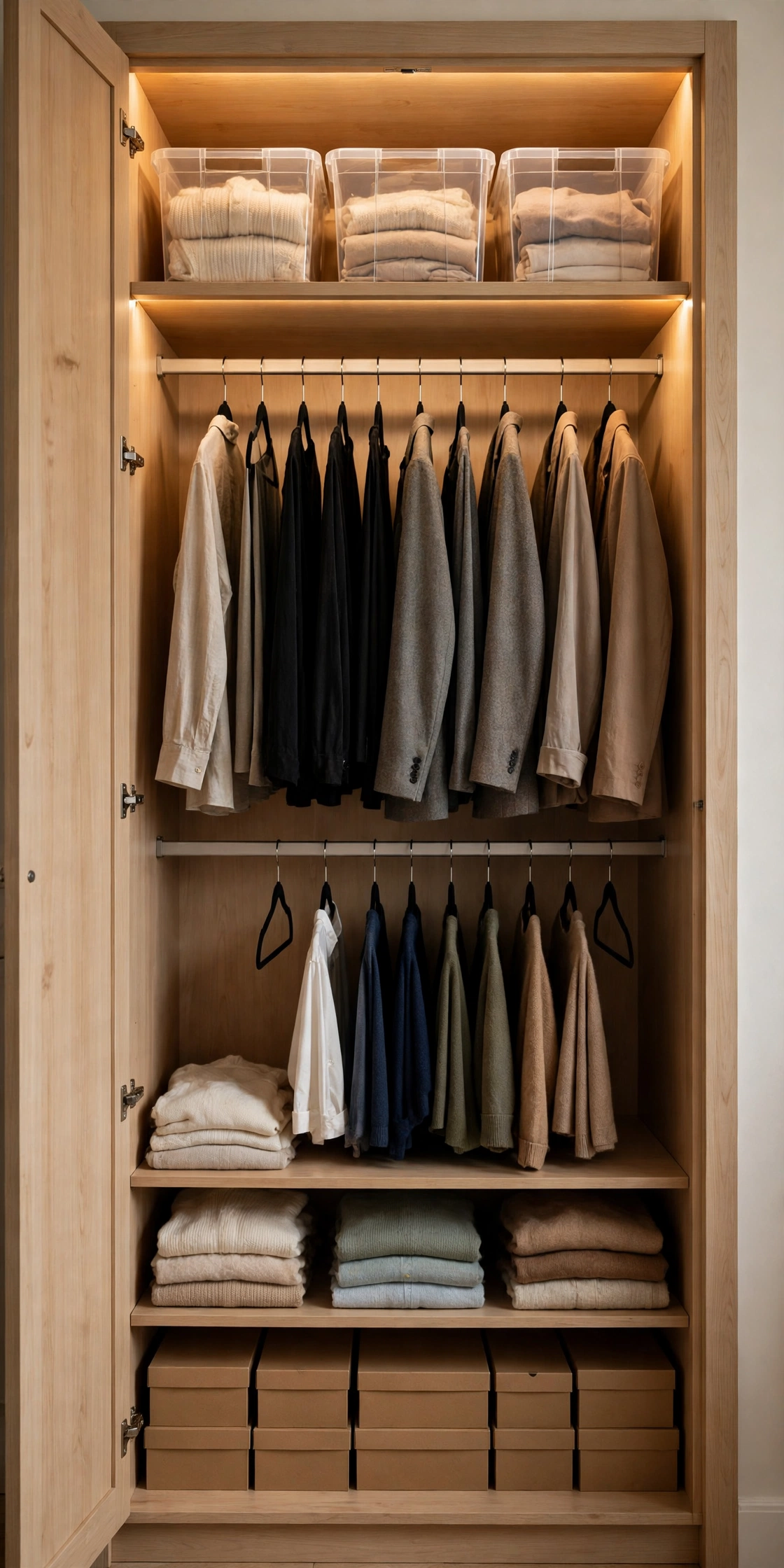
30 Closet Organisation Ideas for a One-Door Wardrobe
A one-door wardrobe looks tiny, but most of the wasted space is vertical: empty air above the rail, a jumbled floor, and shelves with no dividers. The good news is that a single-door closet responds well to small, cheap systems, because every inch is within reach and nothing gets lost in a deep corner. These ideas are sized for a standard small wardrobe, roughly 24 to 36 inches wide, and most need no screws, which makes them safe for rentals. Work from top to bottom, group clothes by category, and keep everyday items at eye level. A tight system you can maintain in ten minutes beats a total overhaul.
1. Add a Second Hanging Rail Below the First
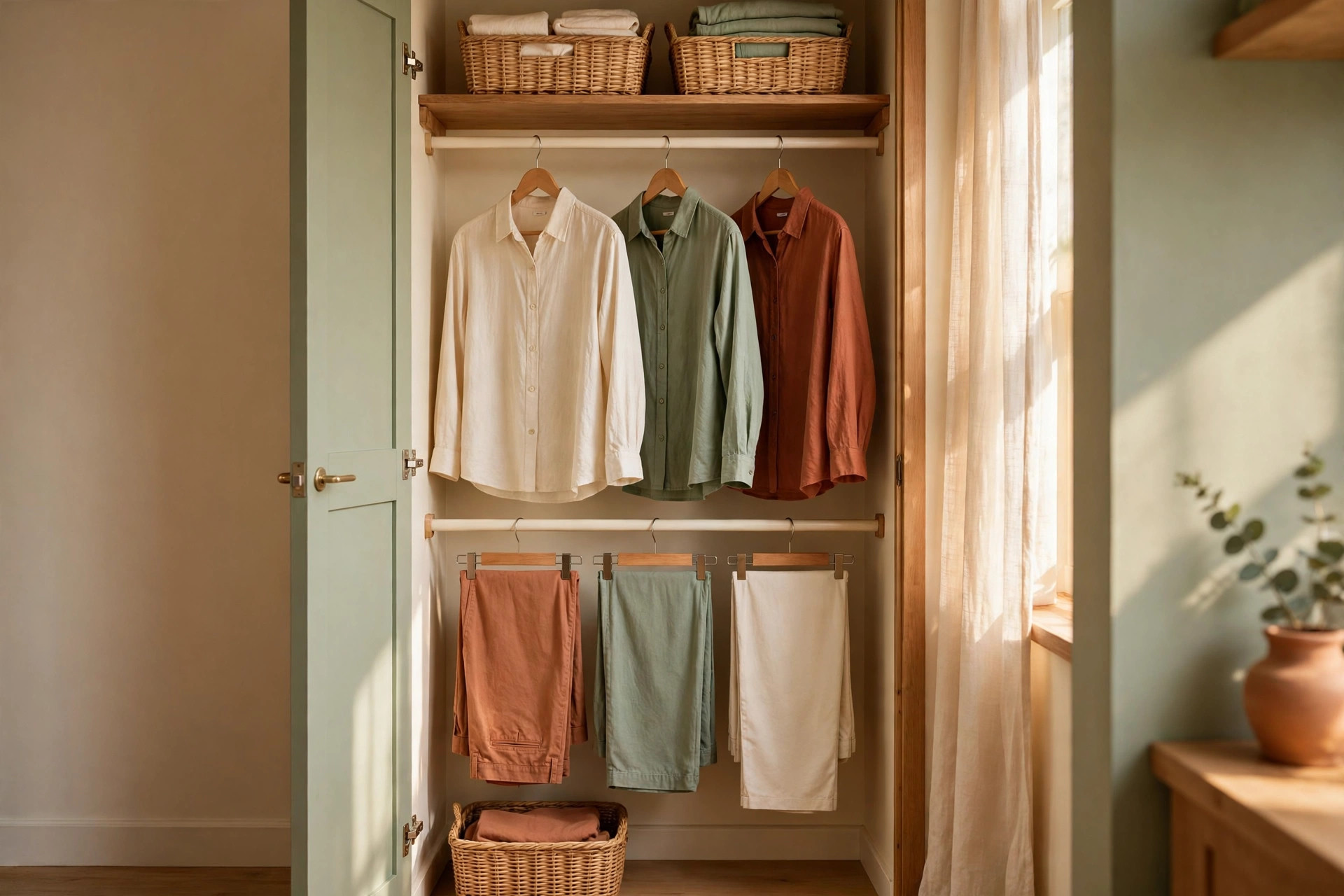
Hang a tension rod or hanging rail below shirts to create a second level for pants and skirts. Doubling the hanging space is the single biggest gain in a one-door closet.
2. Switch to Slim Velvet Hangers
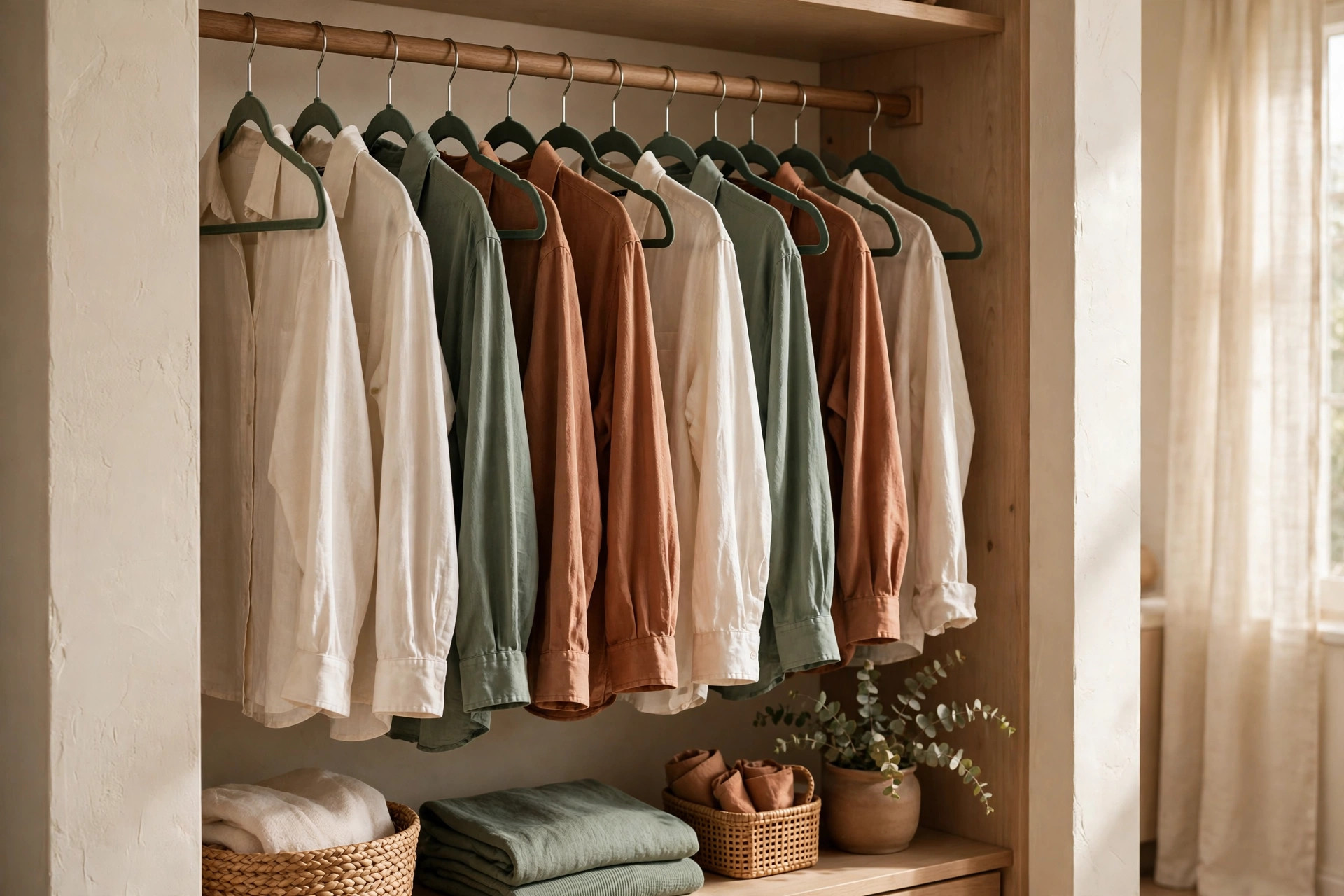
Replace bulky plastic and wire hangers with slim velvet hangers, usually sold in packs of 20 to 50. They can free up to a third of the rail and stop clothes slipping to the floor.
3. Divide Shelves With Shelf Dividers
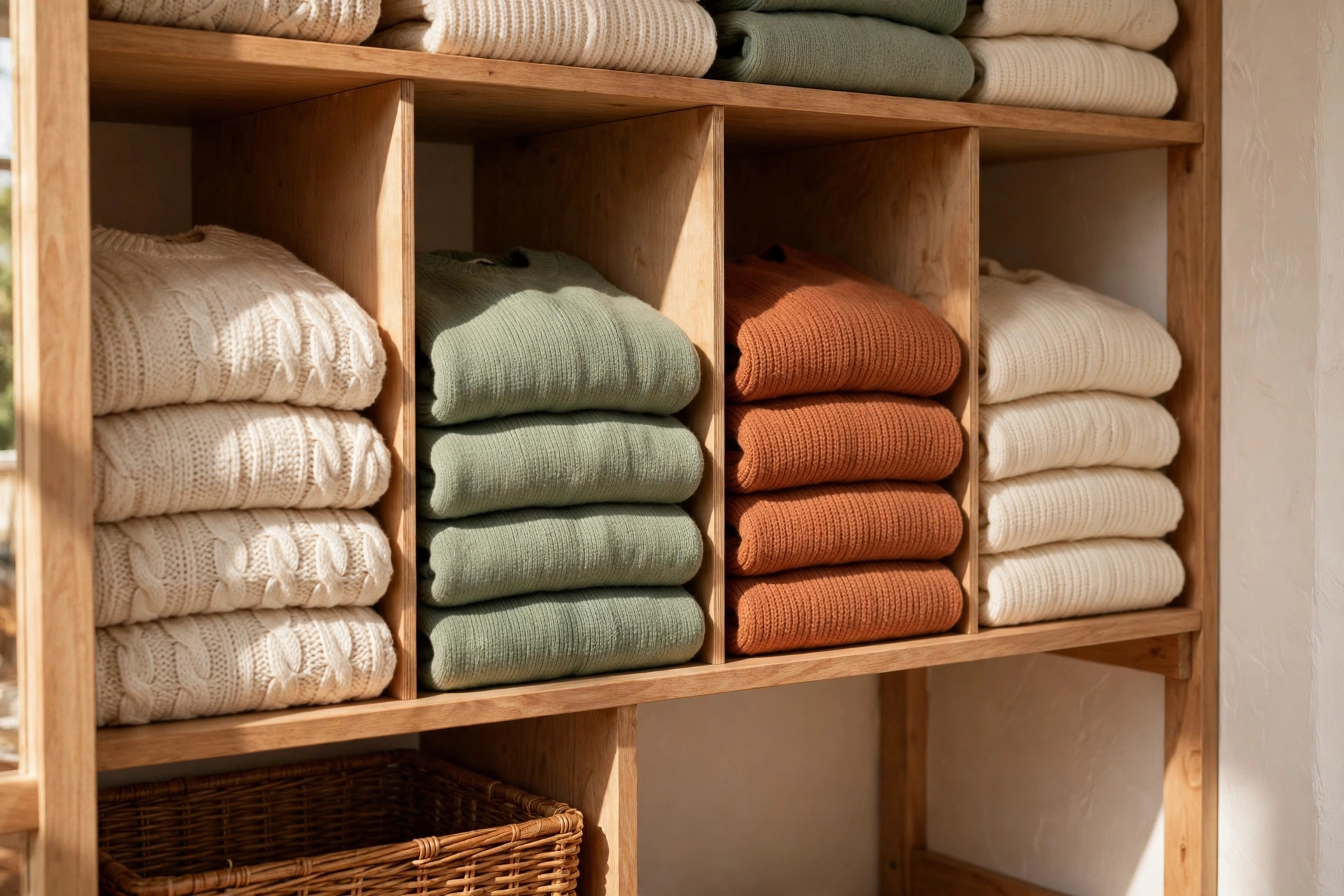
Clip or slide acrylic or wire dividers onto shelves to keep sweater and T-shirt stacks from toppling into each other. Measure shelf thickness first so the dividers fit snugly.
4. Hang an Over-Door Organizer Inside the Door
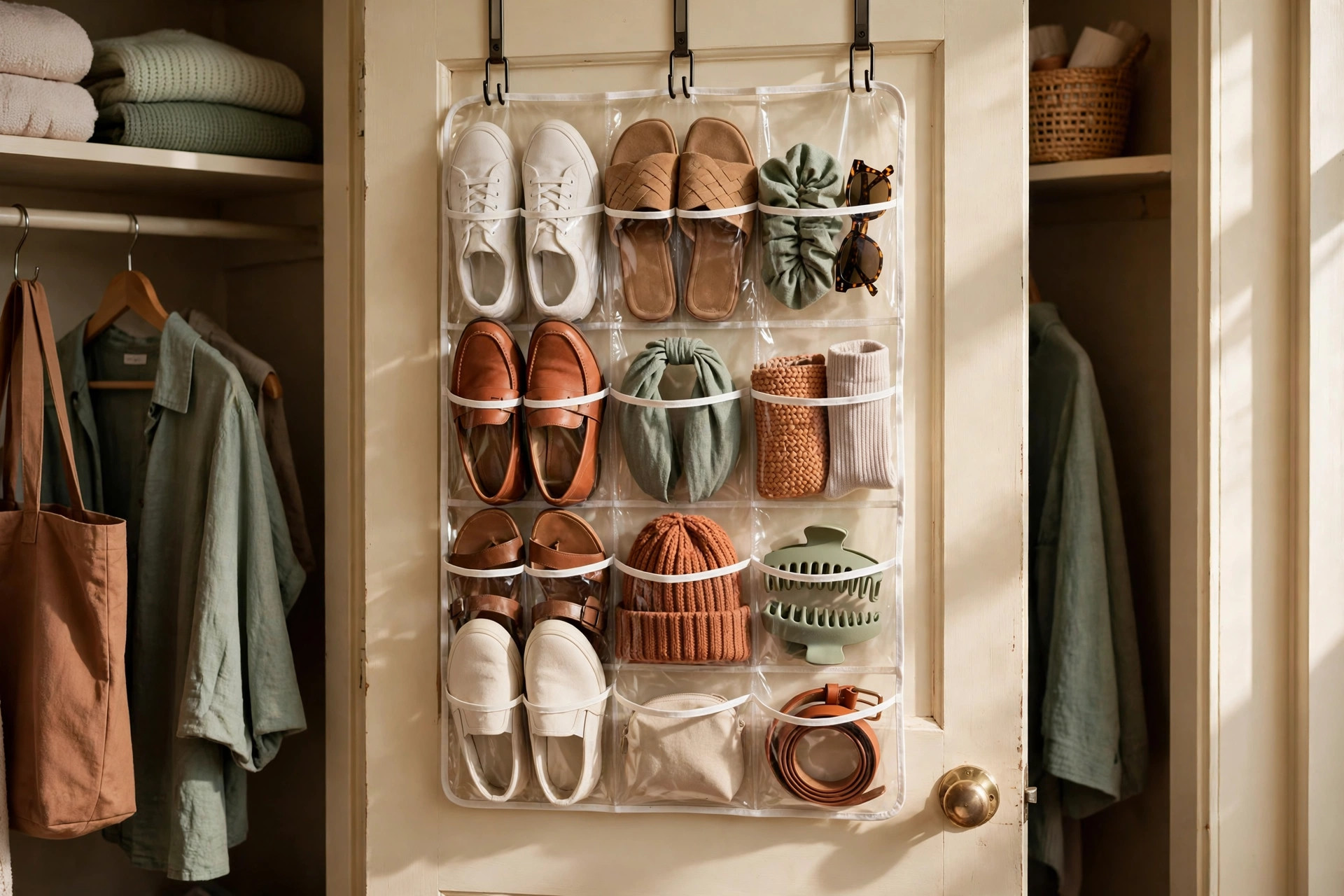
Use the inside of the single door for shoes, scarves, or cleaning supplies in a clear over-door organizer. It uses zero shelf space and needs no screws, so it is fully renter-friendly.
5. Put Labeled Bins on the Top Shelf
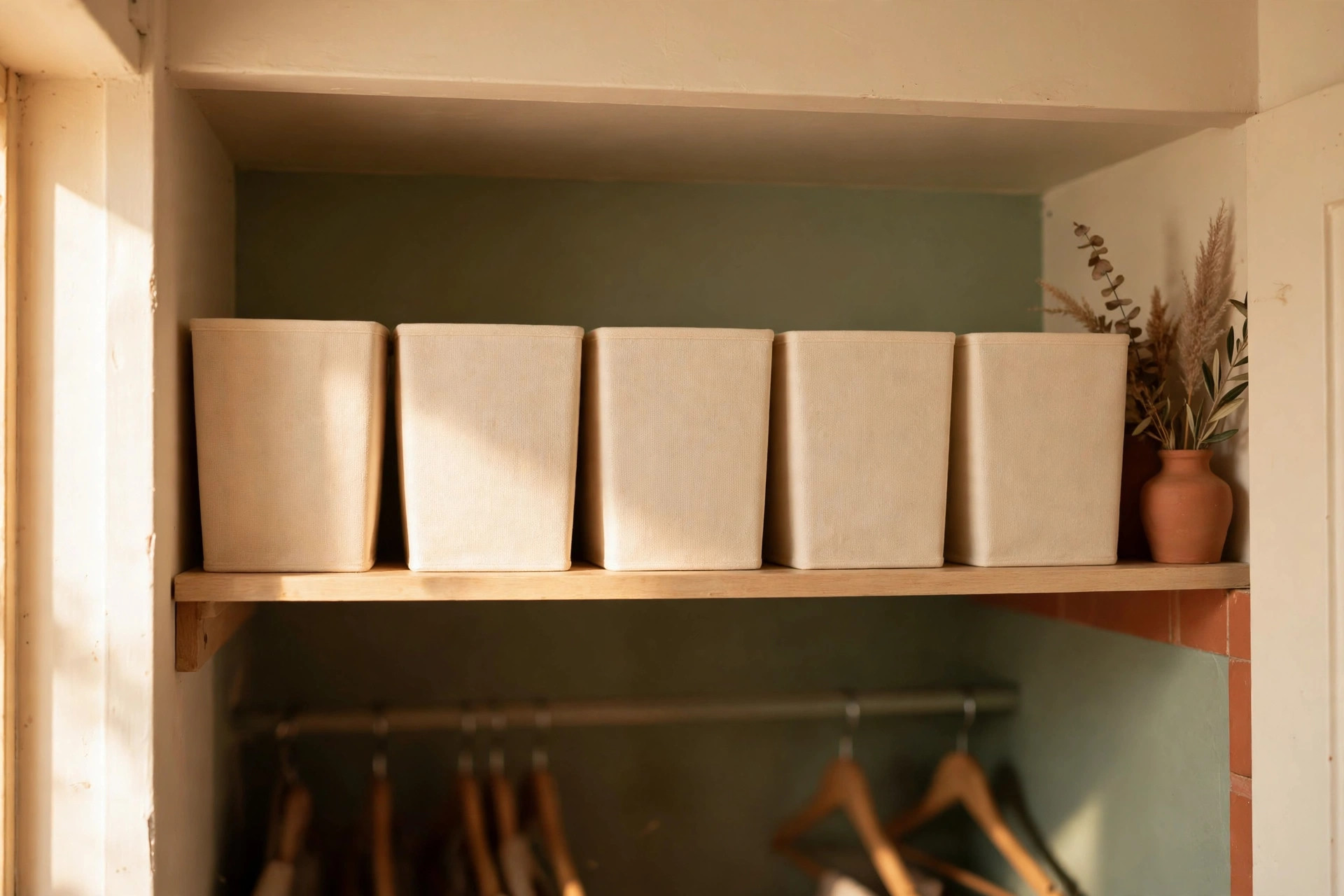
Store out-of-season and rarely used items in matching labeled bins on the hard-to-reach top shelf. Keeping the top tidy stops it becoming a dumping zone that avalanches when you reach up.
6. Add a Hanging Shelf Organizer Beside the Rail
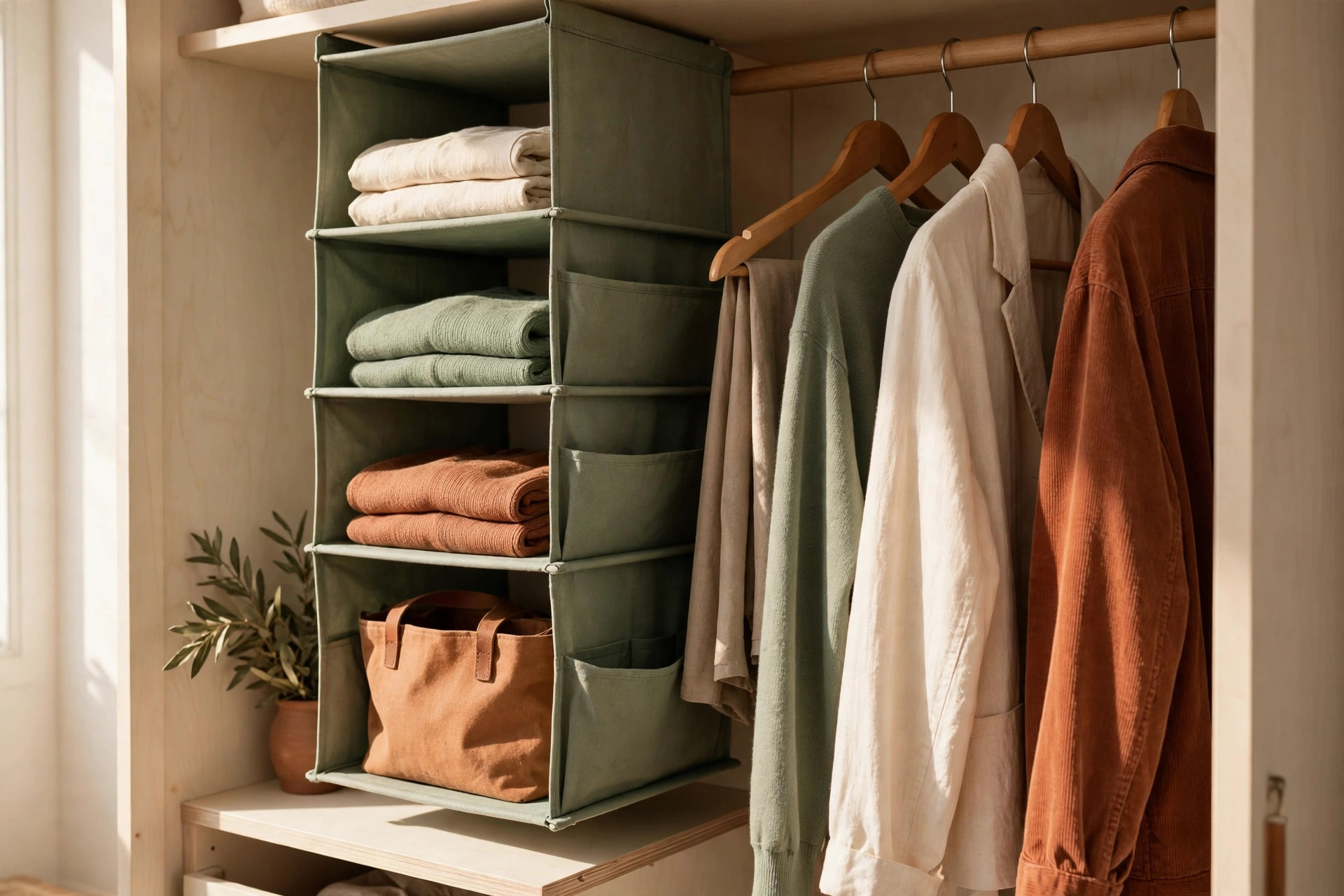
Hang a fabric shelf unit from the rail on one side for folded clothes, bags, and workout gear. Choose a narrow 12-inch-wide version so it does not steal too much hanging width.
7. Use Under-Shelf Baskets for Hidden Space
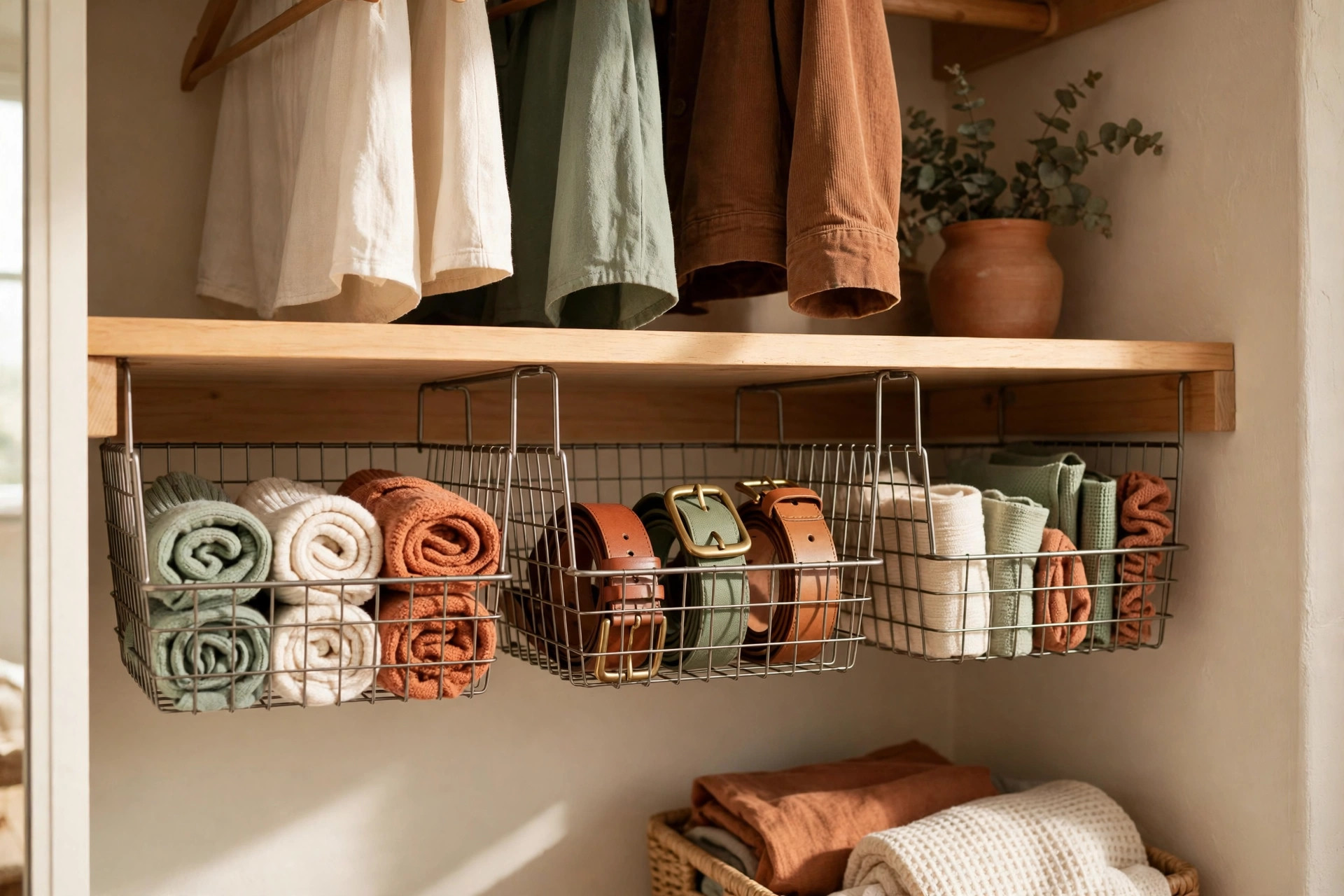
Hook wire baskets under each shelf to use the empty gap between the shelf and the stack below. They are perfect for belts, socks, and small items that otherwise vanish.
8. Install a Battery Light Strip
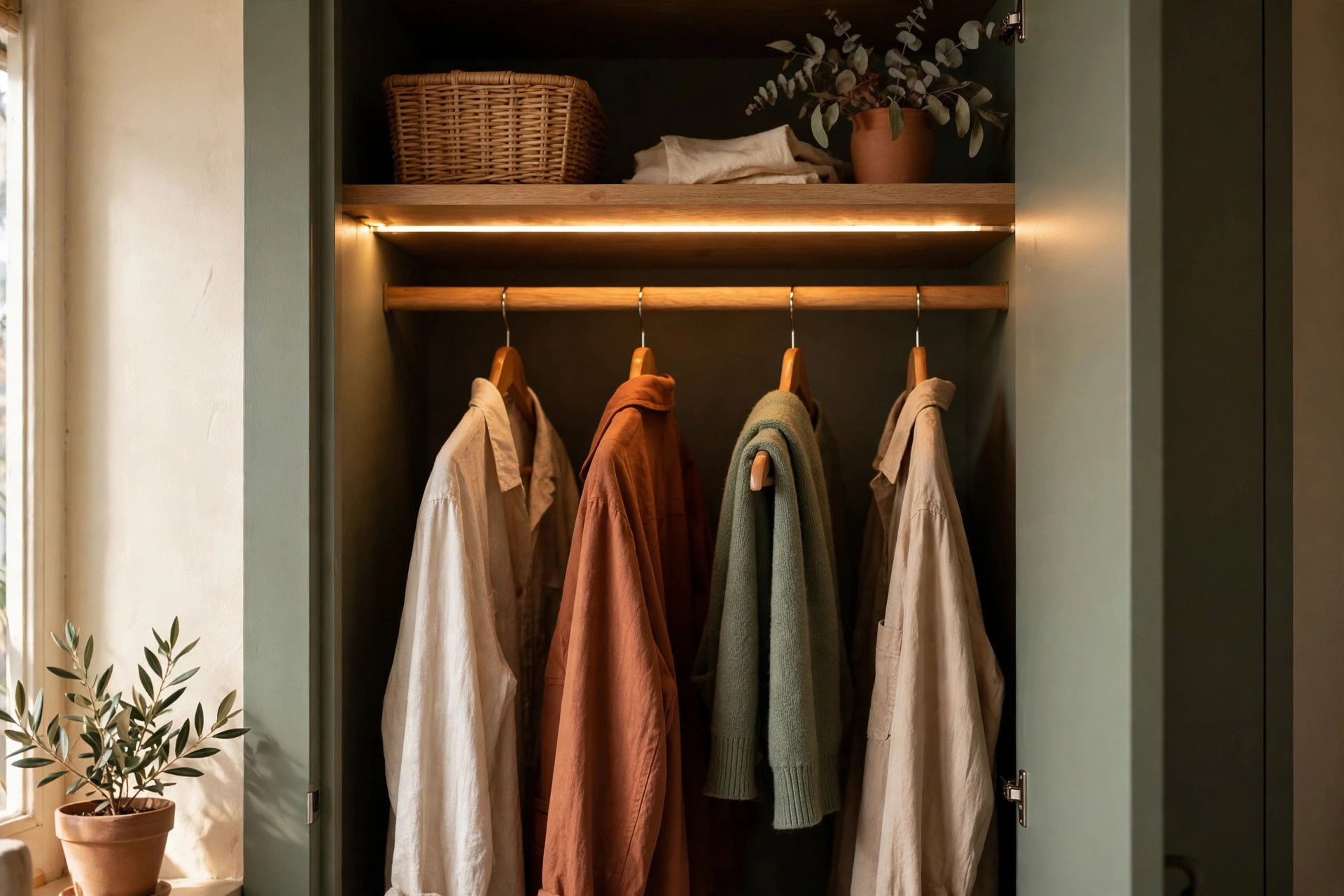
Stick a battery or rechargeable LED strip under the top shelf so you can actually see colors in a dark single-door closet. Motion-sensor versions turn on when the door opens and need no wiring.
9. File-Fold Clothes in Bins and Drawers
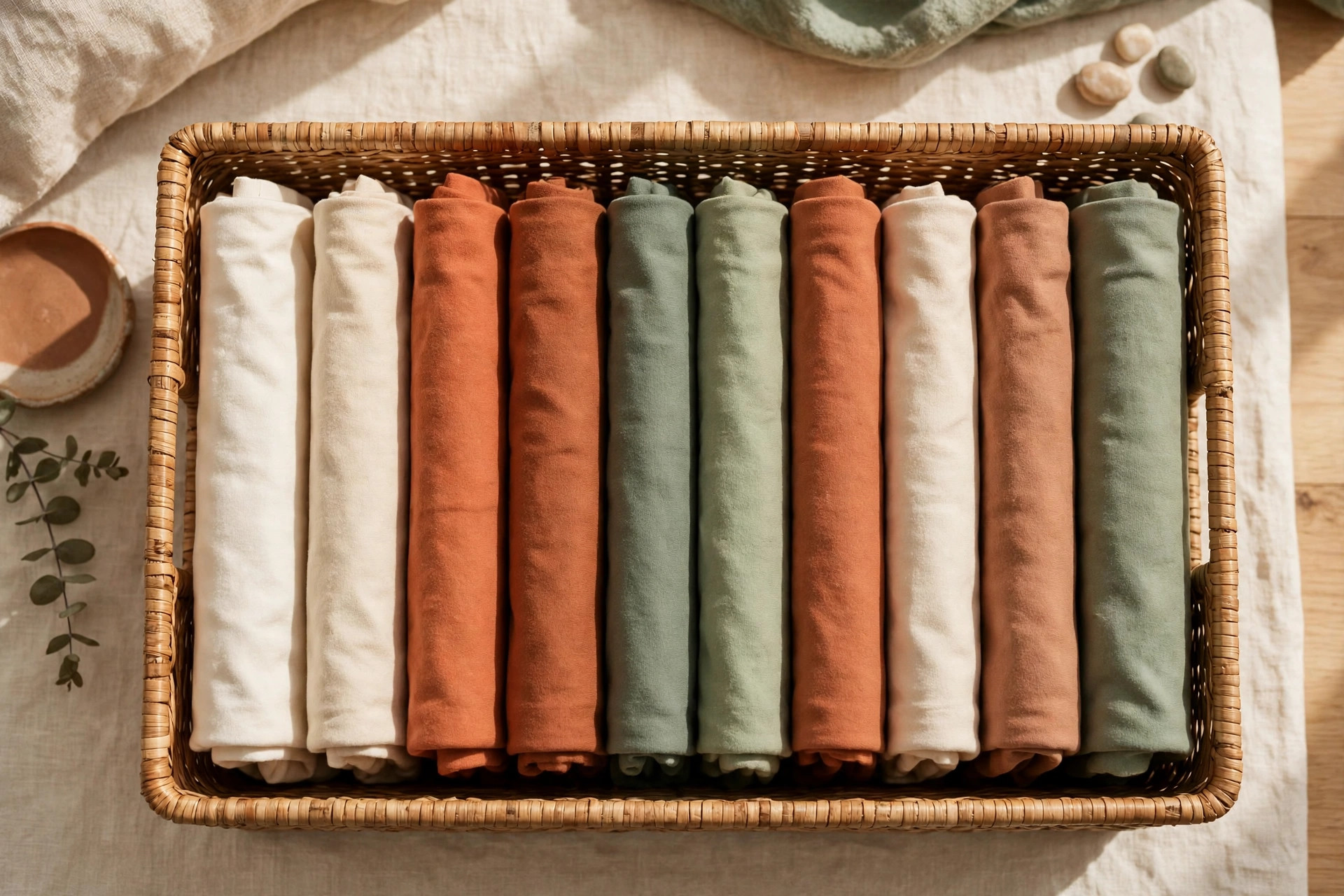
Fold T-shirts and gym clothes upright like files in a bin so you can see every item at once. This stops the dig-through mess that ruins a small closet by midweek.
10. Add a Small Drawer Unit on the Closet Floor
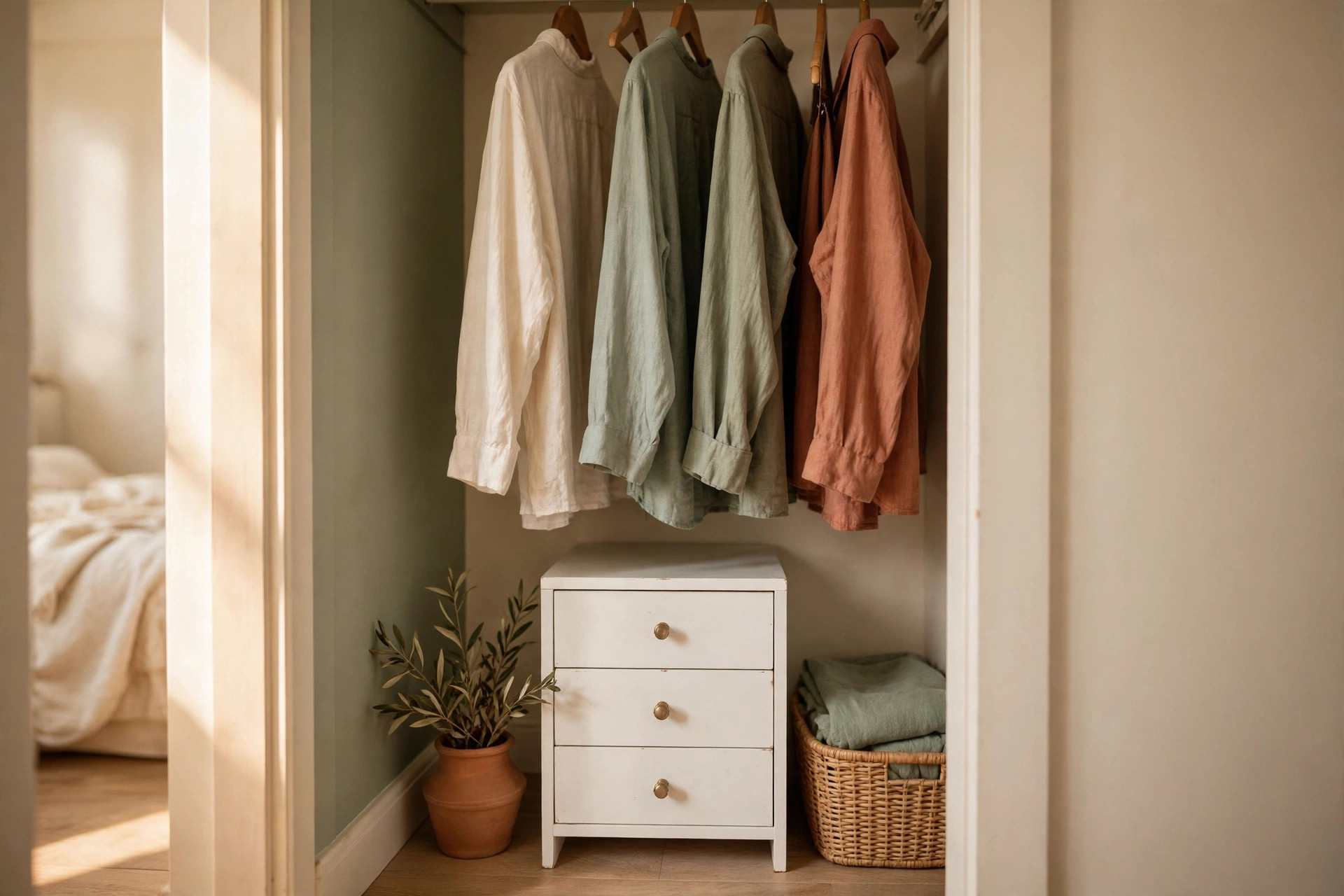
Place a narrow two or three drawer unit, around 12 to 16 inches wide, on the floor under short hanging clothes. It turns dead floor space into hidden storage for underwear, pajamas, and accessories.
11. Hang Bags on Hooks on the Side Wall
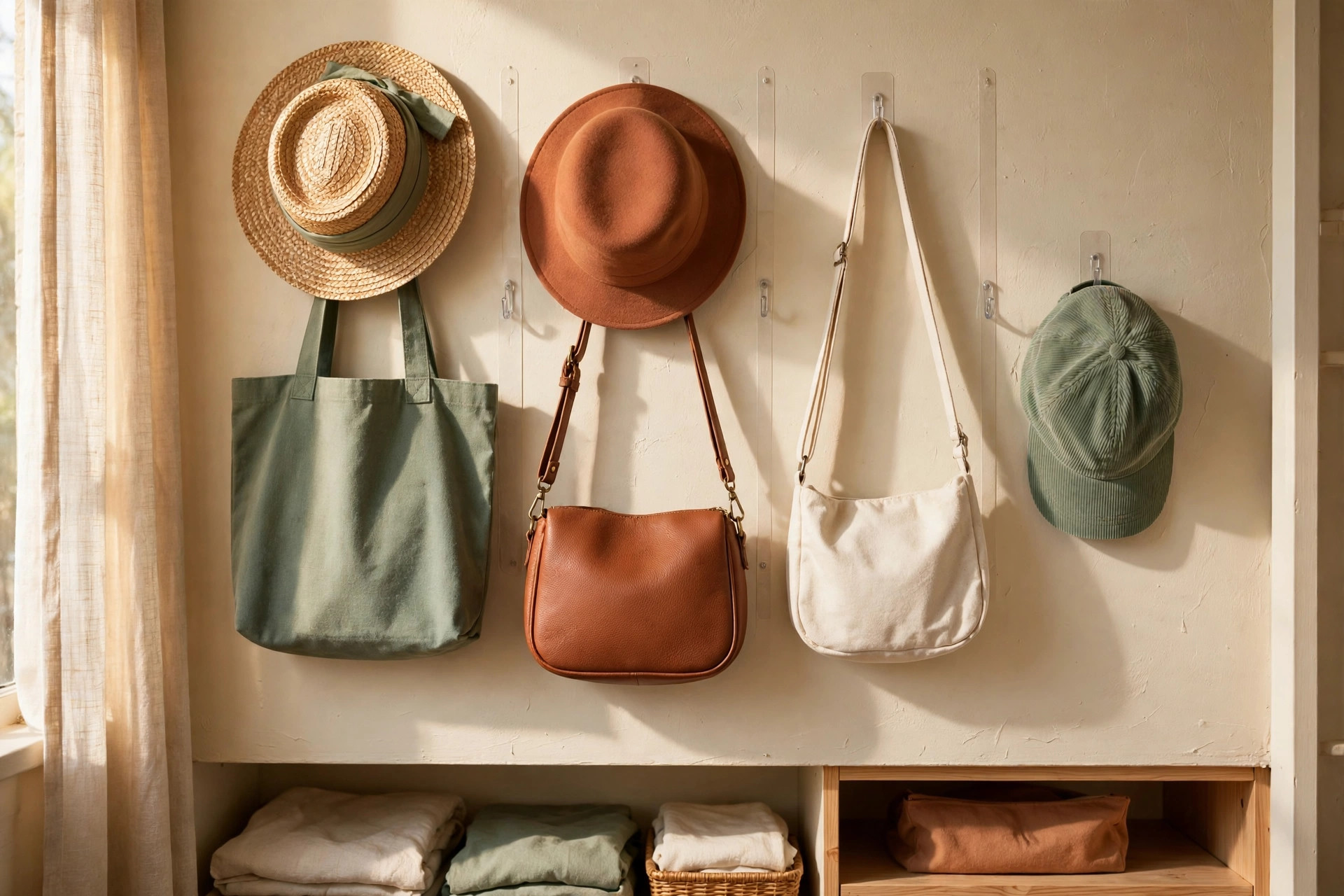
Add removable adhesive hooks to one side wall for tote bags, backpacks, and hats. Side walls in a one-door closet are usually bare, and bags eat shelf space if stored any other way.
12. Use a Multi-Hanger for Pants
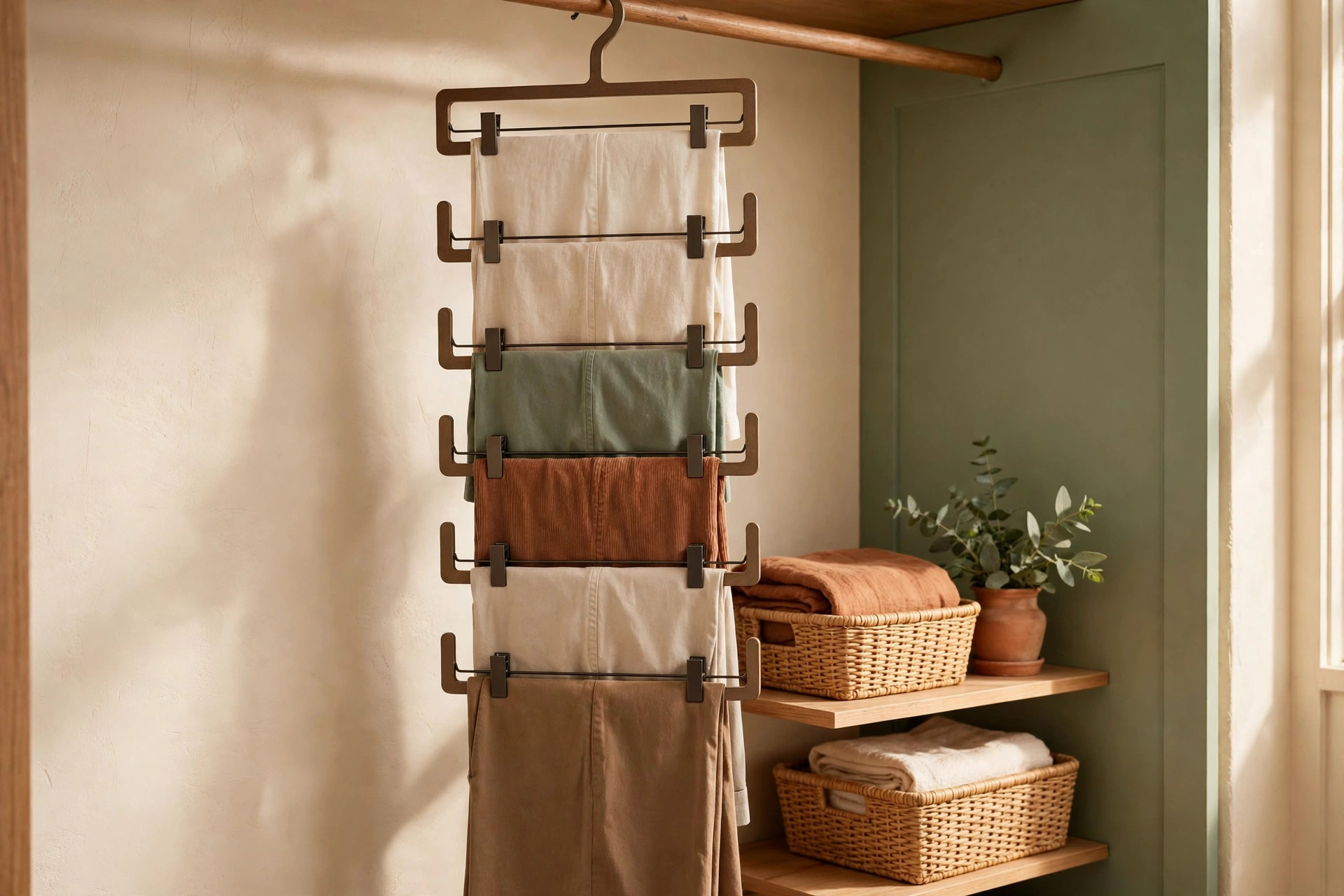
Hang four or five pairs of pants on one tiered pants hanger instead of five separate hangers. It keeps creases neat and frees serious rail space for tops and dresses.
13. Roll Belts and Ties on a Single Hanger
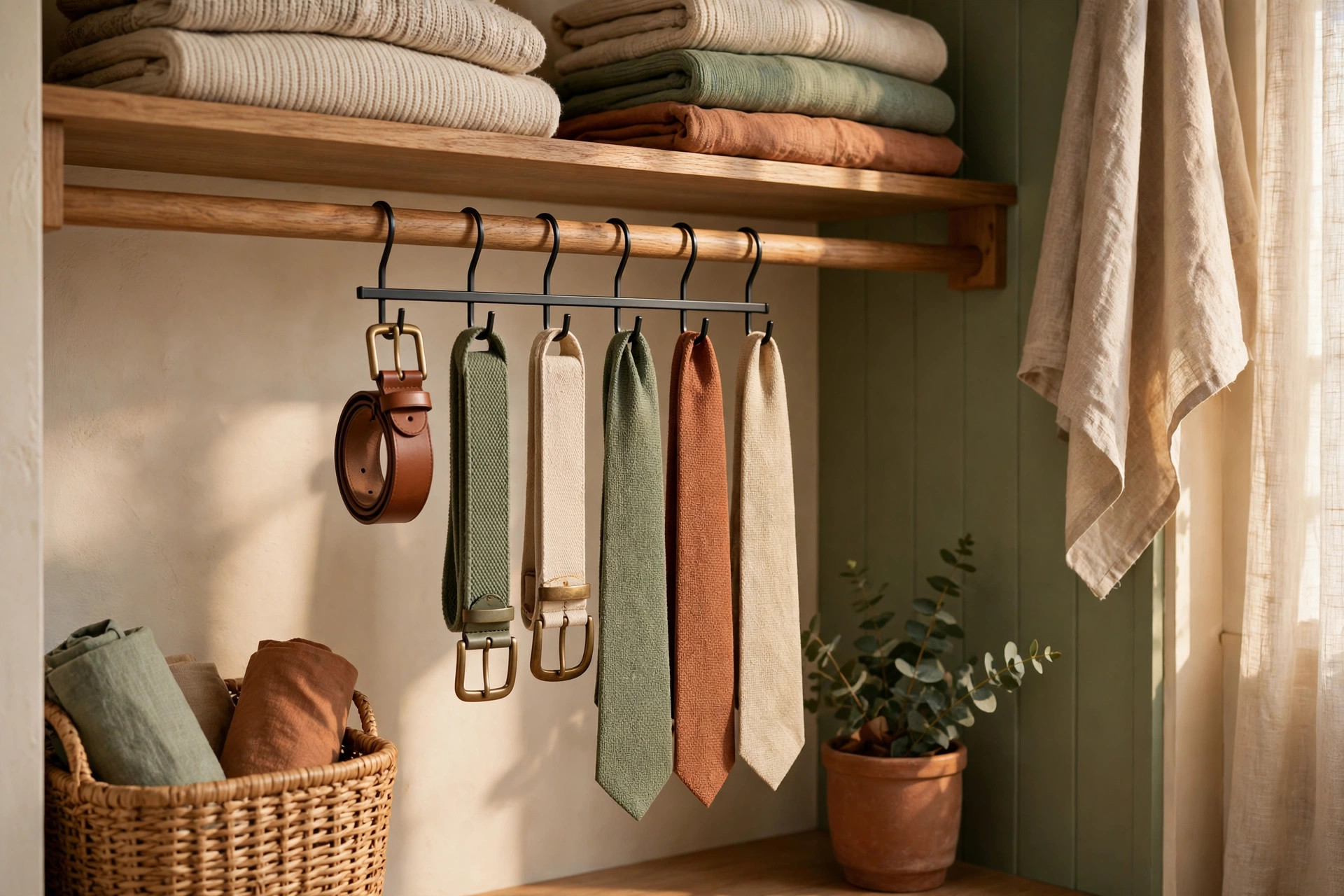
Use a belt and tie hanger with multiple hooks, or a small divided box on a shelf. Keeping these small items in one spot prevents them tangling around hangers and handles.
14. Store Shoes Vertically in Door Pockets or a Slim Rack
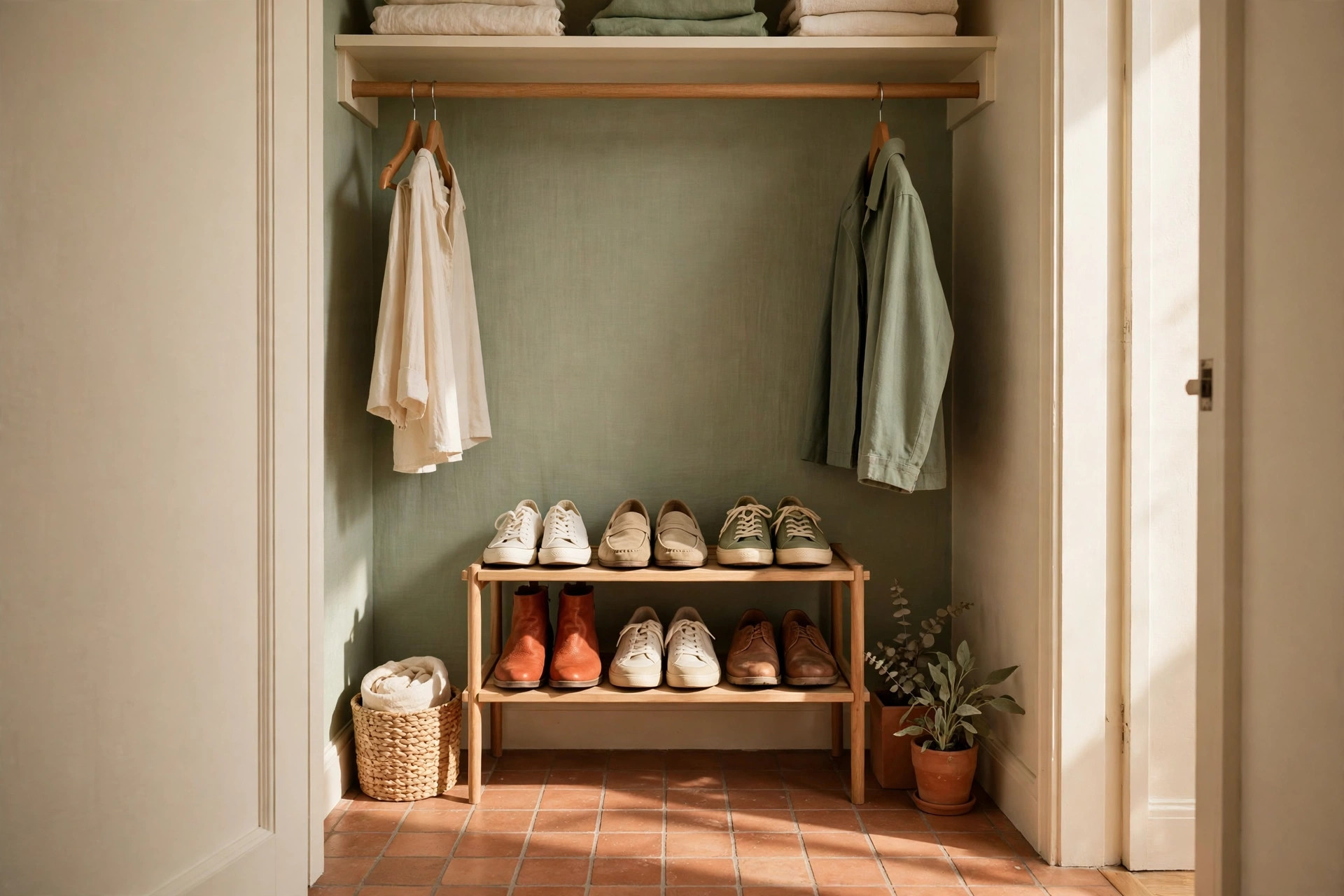
Fit a slim two-tier shoe rack on the floor or use door pockets, keeping everyday pairs only. Bulky shoe boxes stack unevenly and waste the narrow floor width fast.
15. Keep One Clear Bin for Seasonal Rotation
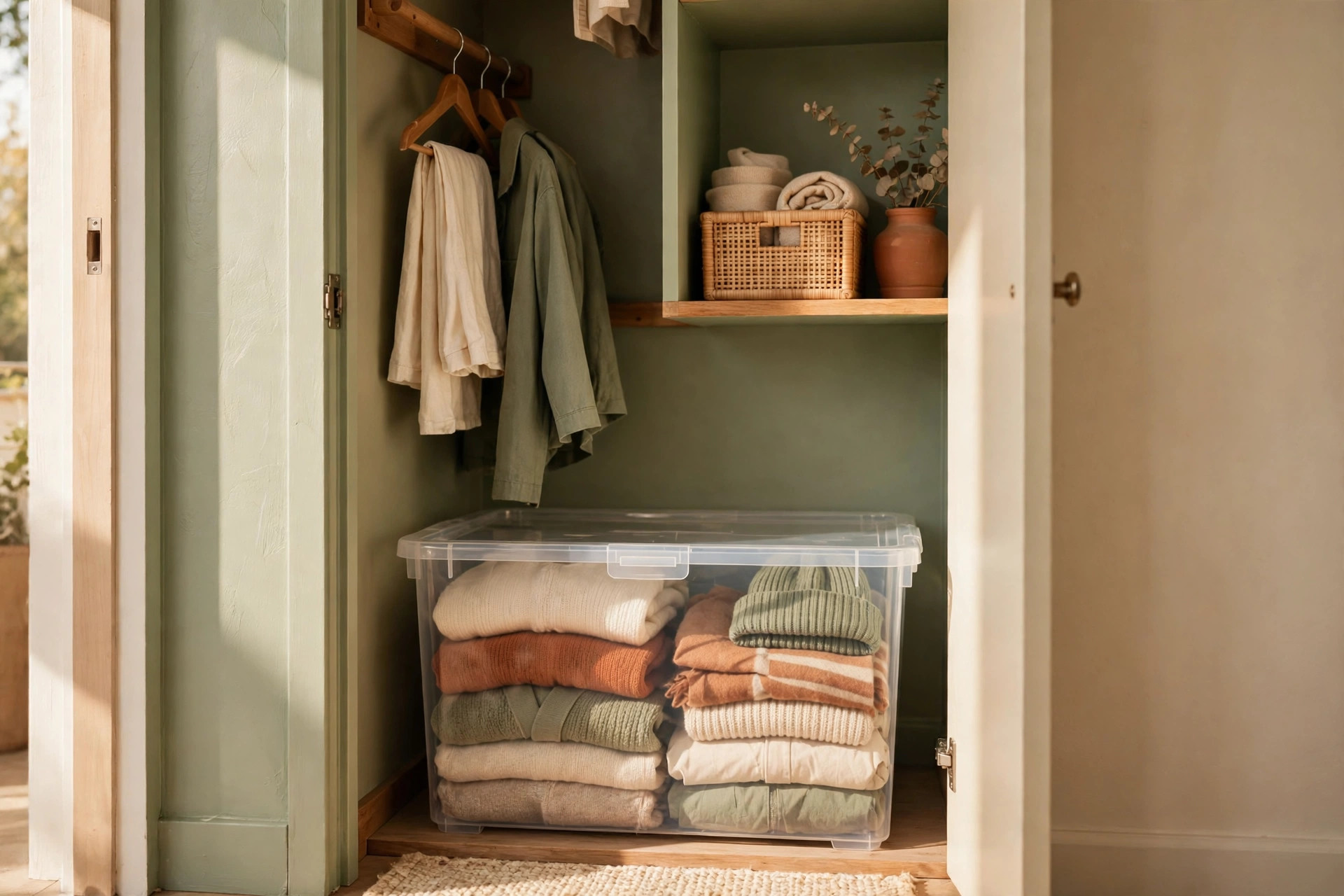
Keep one clear bin as the swap spot for the current season change, such as heavy scarves in spring. Rotating seasonally keeps the rail at a workable density all year.
16. Group Clothes by Category, Then Color
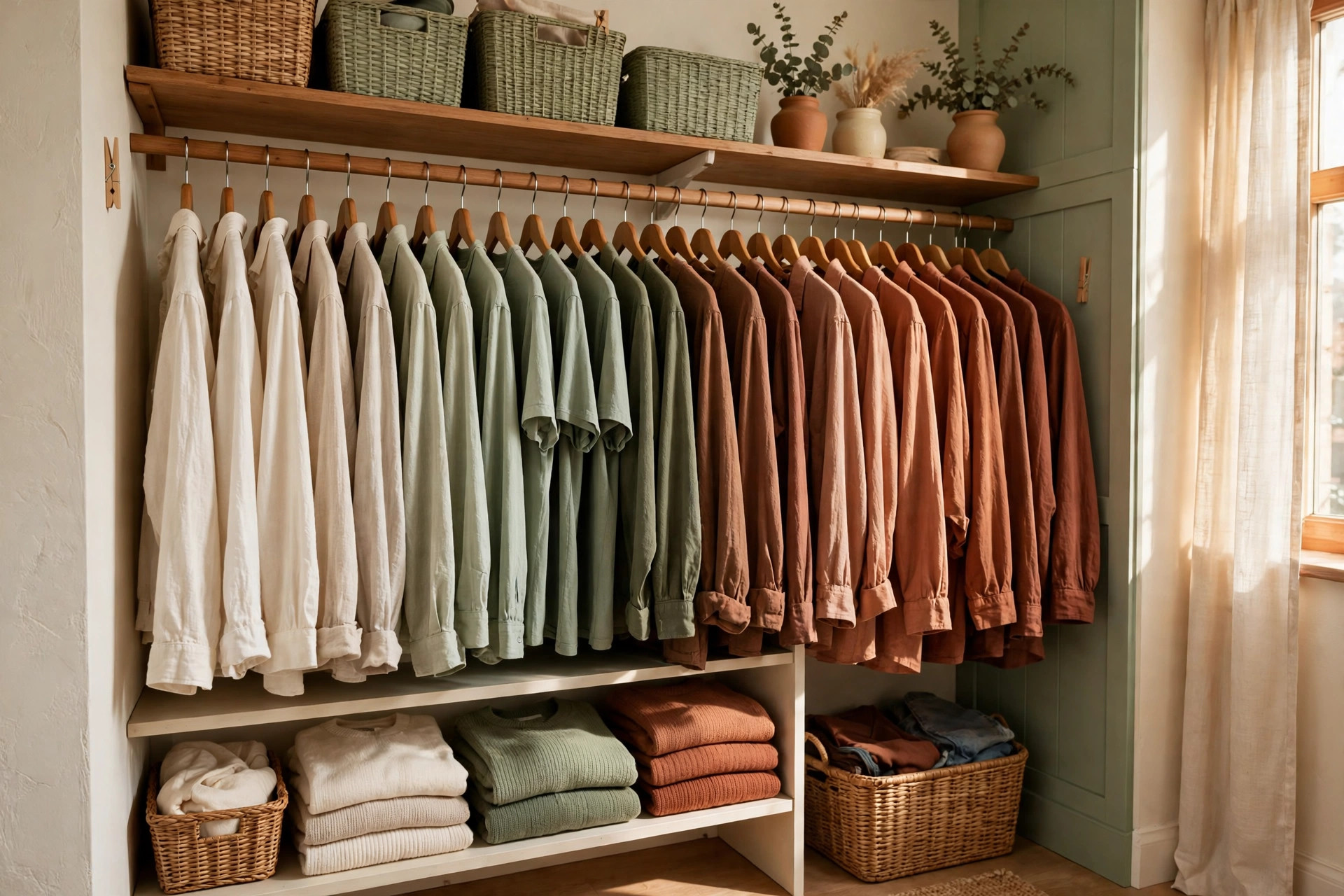
Arrange the rail in sections: work tops, casual tops, pants, then dresses, sorted light to dark within each group. Getting dressed is faster and gaps in your wardrobe become obvious.
17. Use Vacuum Bags for Bulky Items Only
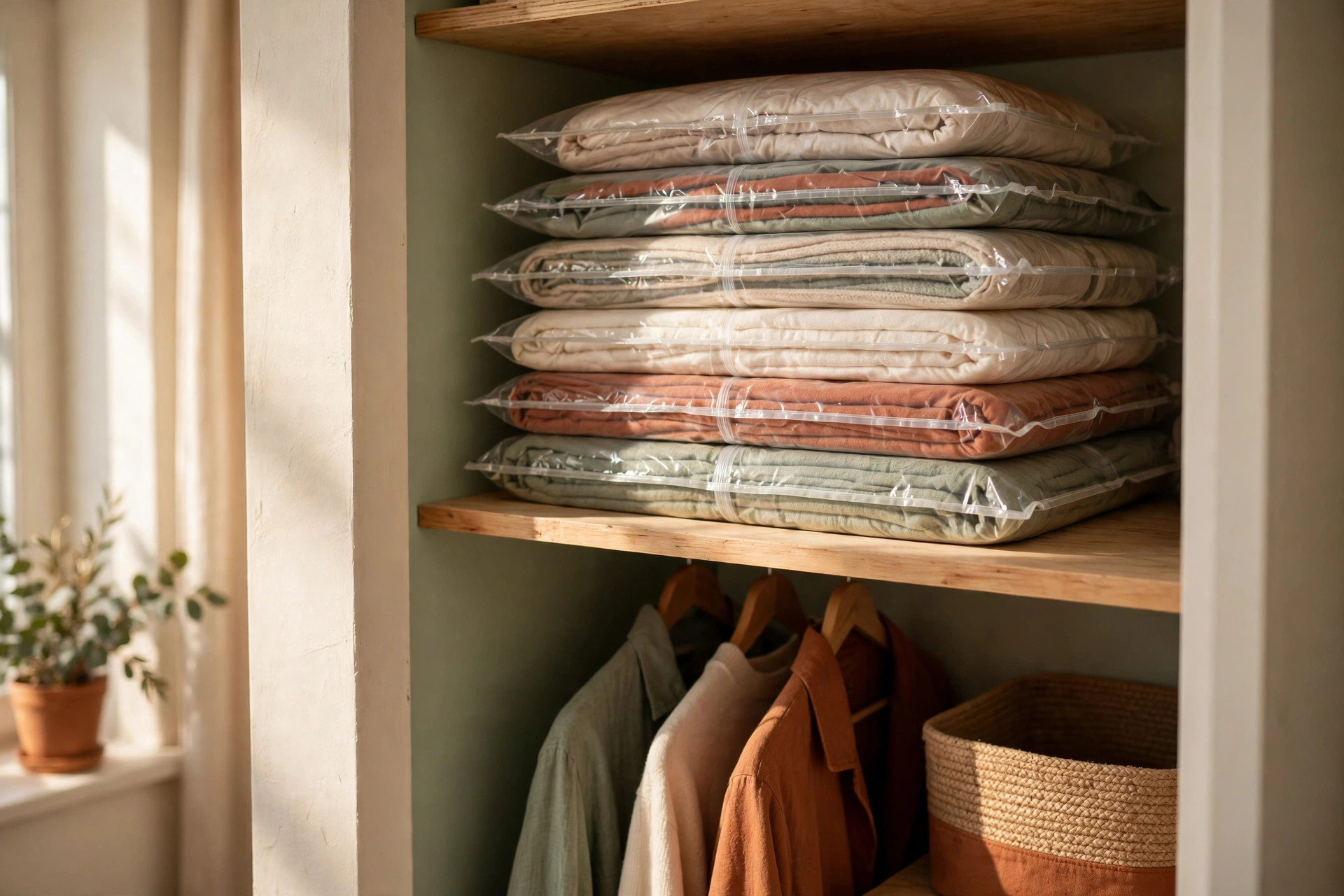
Compress spare duvets, ski jackets, and heavy blankets in vacuum bags for the top shelf. Reserve them for bulky soft items, not everyday clothes you need to grab quickly.
18. Add a Hanging Jewelry and Accessory Organizer
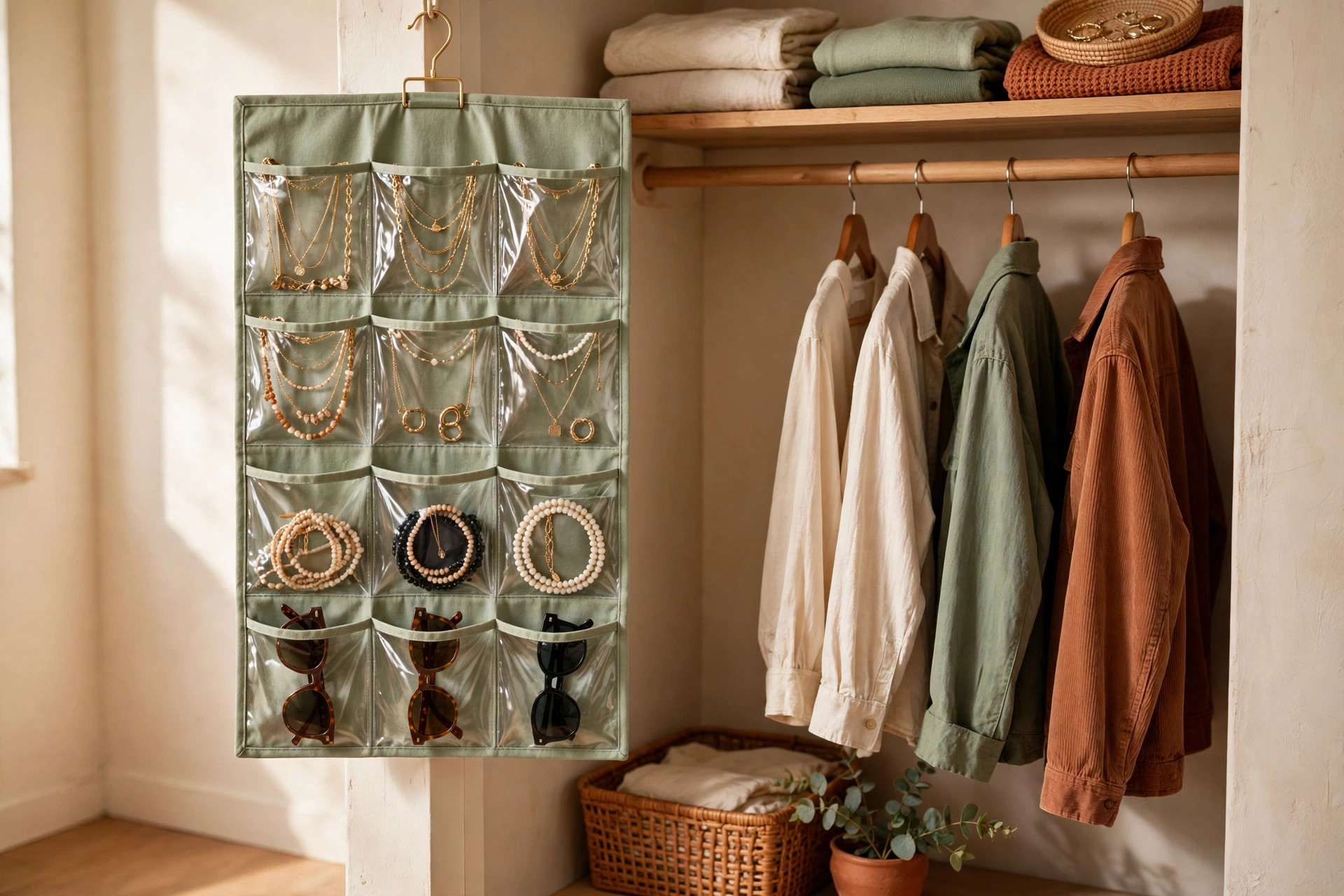
Hang a double-sided pocket organizer for jewelry, sunglasses, and watches next to the clothes. It prevents tangled necklaces in drawers and uses slim vertical space well.
19. Put a Small Step Stool Outside, Not Inside
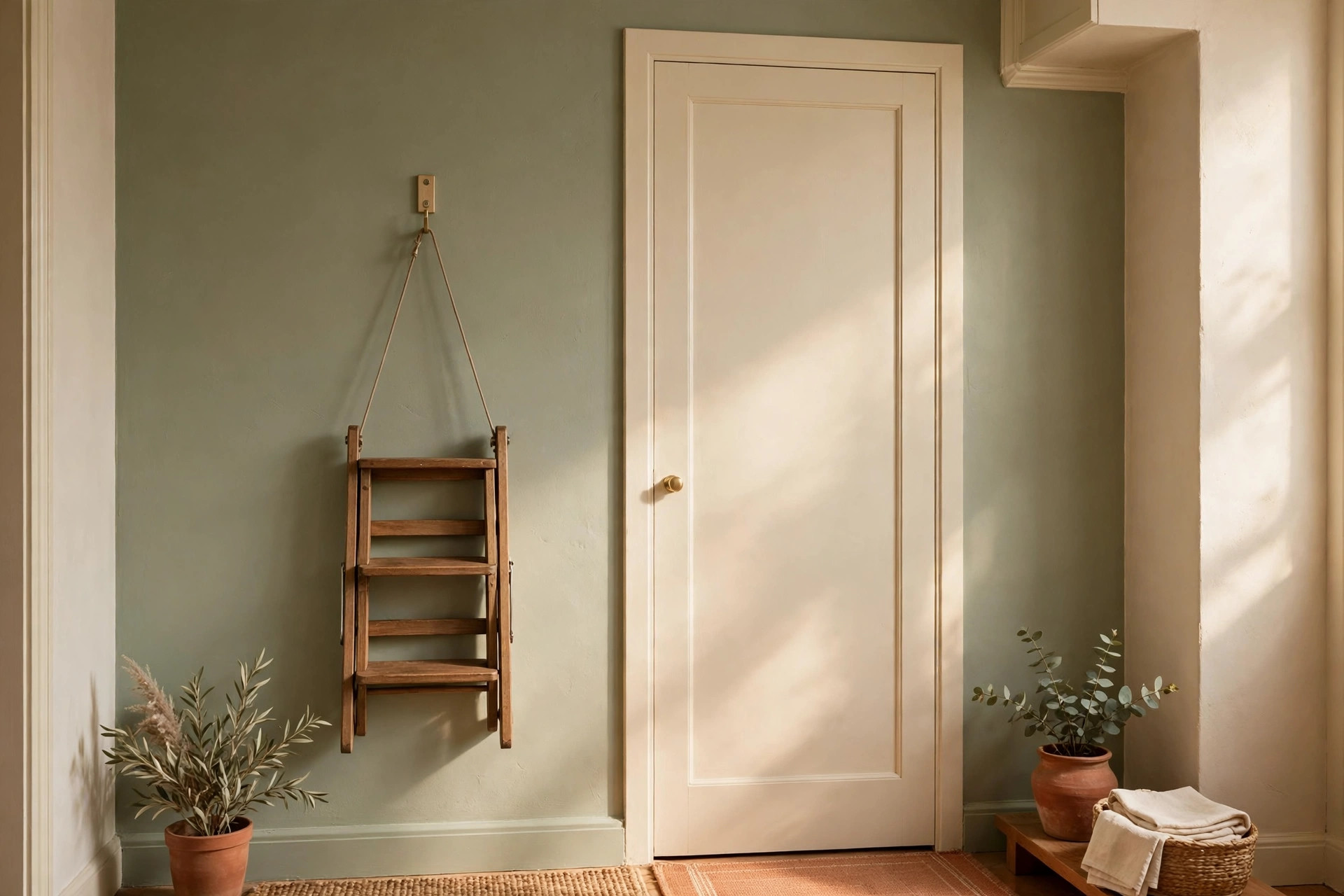
Keep a folding step stool hung on the wall outside the closet instead of storing it on the closet floor. You can still reach the top shelf, but the floor stays clear for shoes and drawers.
20. Use the Space Above the Rail
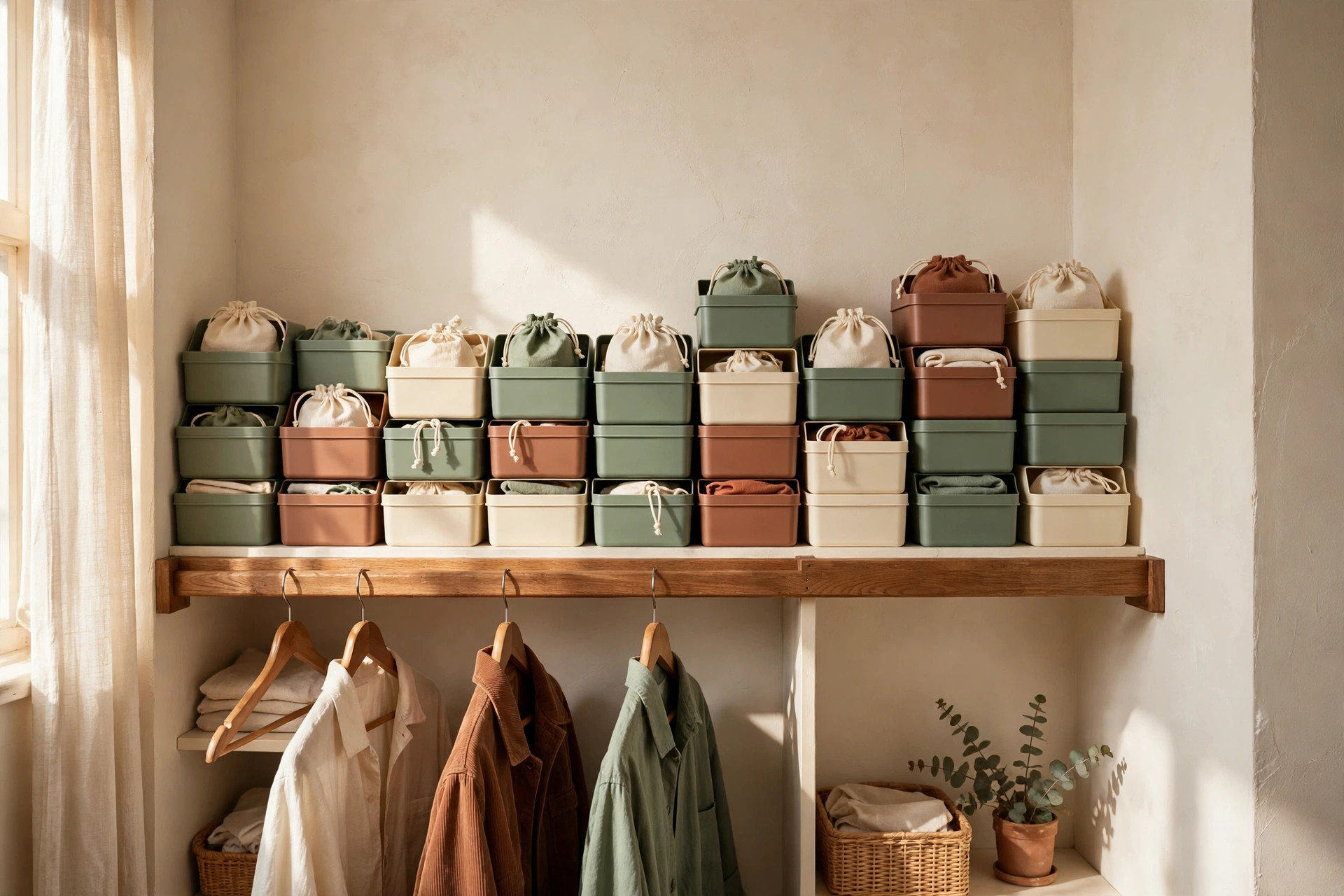
If there is a gap between the rail and the shelf above, add small stackable boxes for clutches and small bags. That narrow strip is often 6 to 10 inches tall and usually completely empty.
21. Add Corner Shelves at the Top
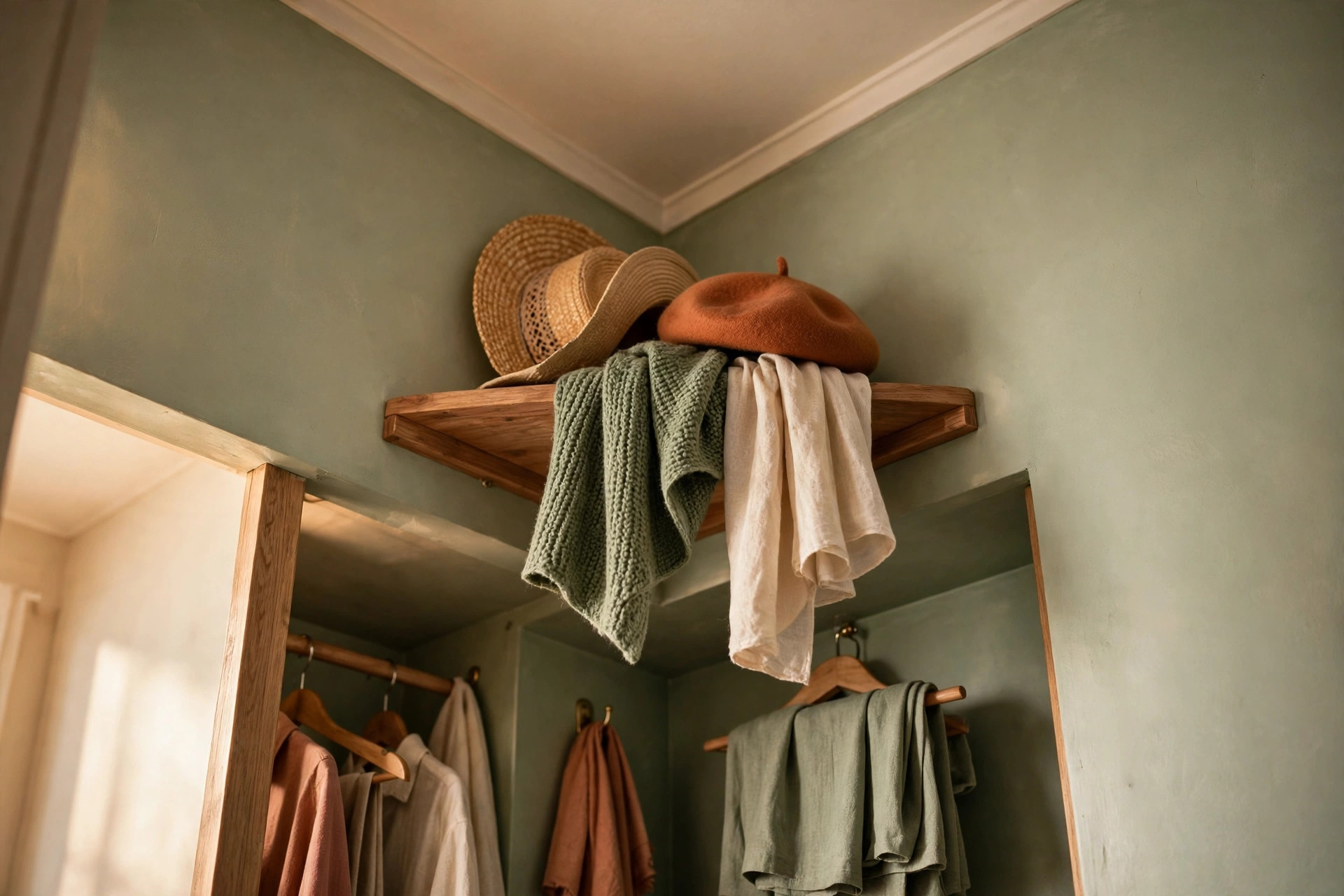
Fit a small corner shelf or box in the top corners where bins do not reach. Corners suit rounded or soft items like hats, gloves, and scarves that fill odd shapes easily.
22. Keep a Donation Bag on the Door Hook
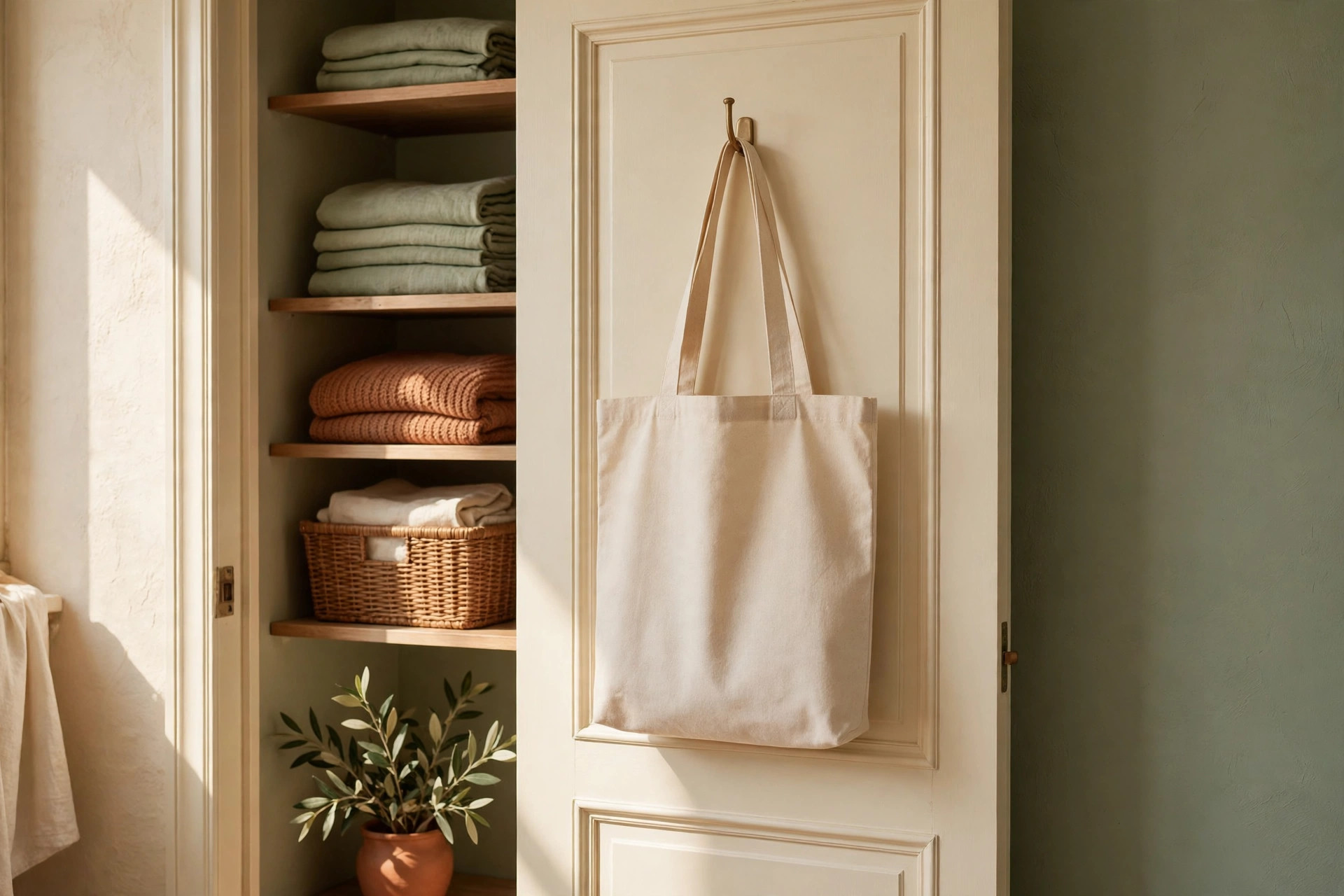
Hang a small tote on the inside door hook as a permanent donation and declutter bag. When it fills, it leaves the house, which keeps a tiny closet from slowly overfilling again.
23. Use Matching Bins So Stacks Look Calm
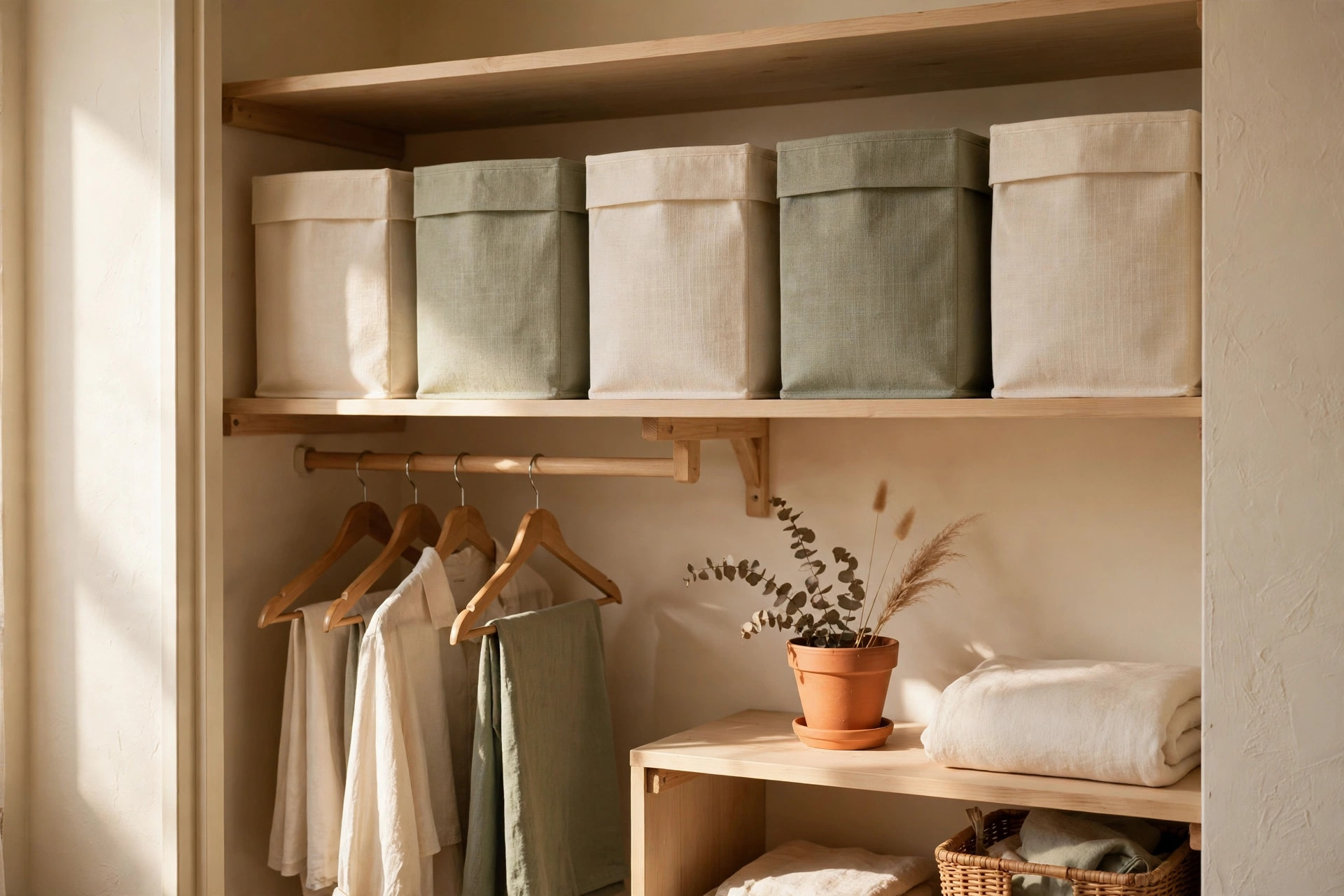
Choose bins in one color and material so the closet looks ordered even when contents vary. Visual calm matters in a small wardrobe because you see the whole thing every time you open the door.
24. Store Off-Season Shoes in Clear Boxes Up Top
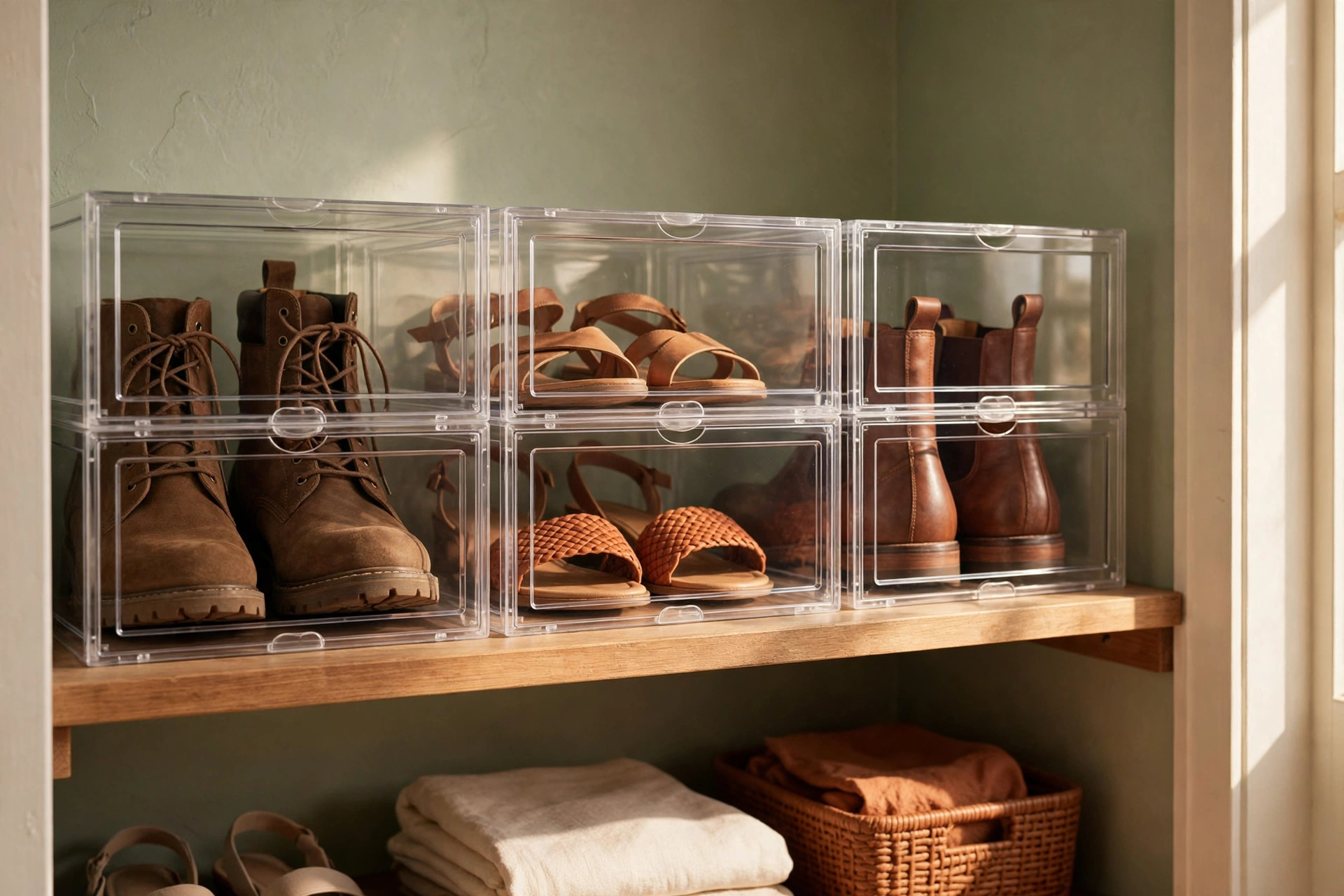
Move boots and sandals out of season into clear stackable boxes on the top shelf. Clear sides mean no mystery boxes, and the floor stays reserved for shoes you wear weekly.
25. Add Hooks to the Back Wall for Tomorrow's Outfit
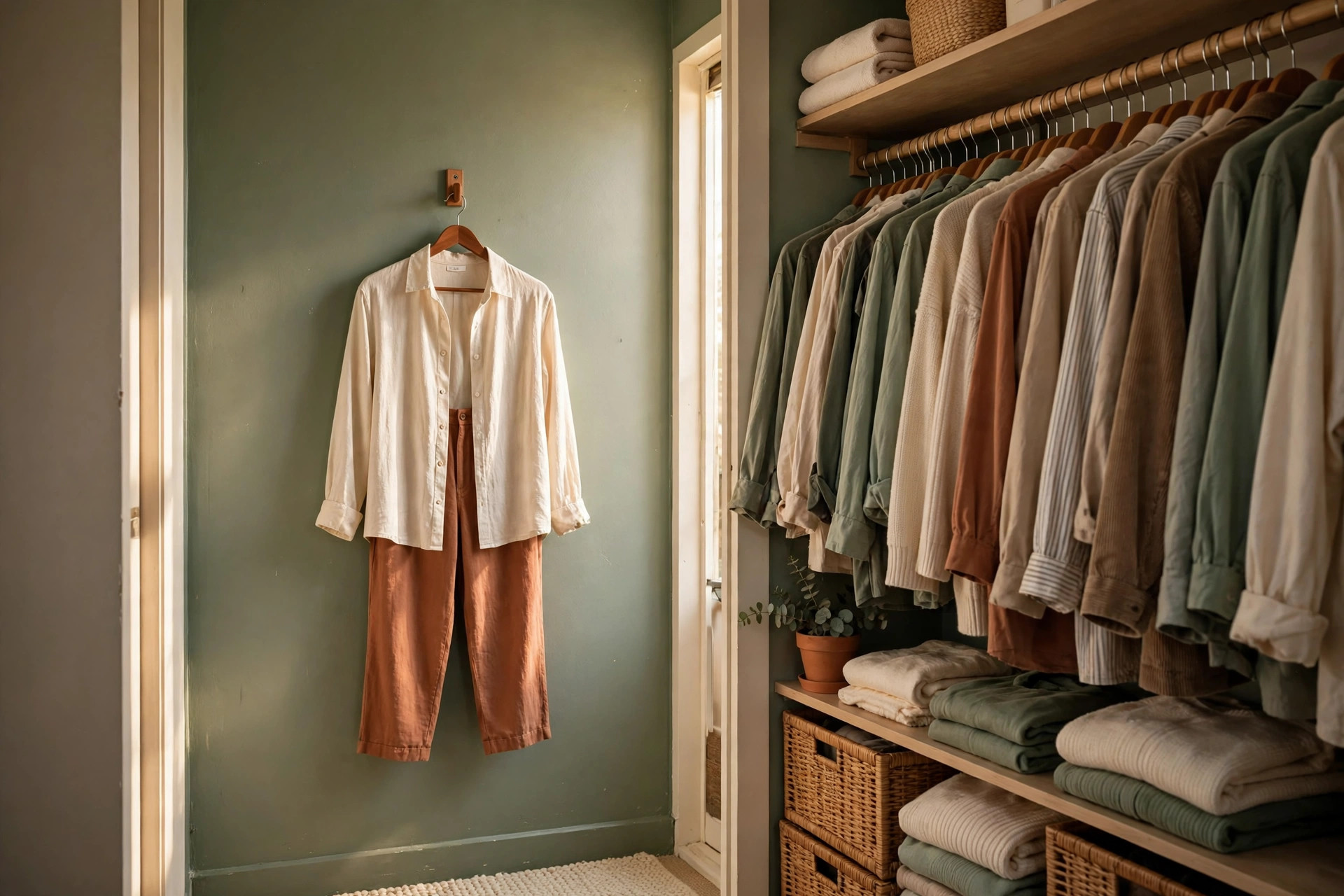
Place one or two removable hooks on the back wall to hang the next day's outfit or a steamed shirt. It keeps planned clothes wrinkle-free and separate from the crowded rail.
26. Divide One Shelf Just for Folded Denim
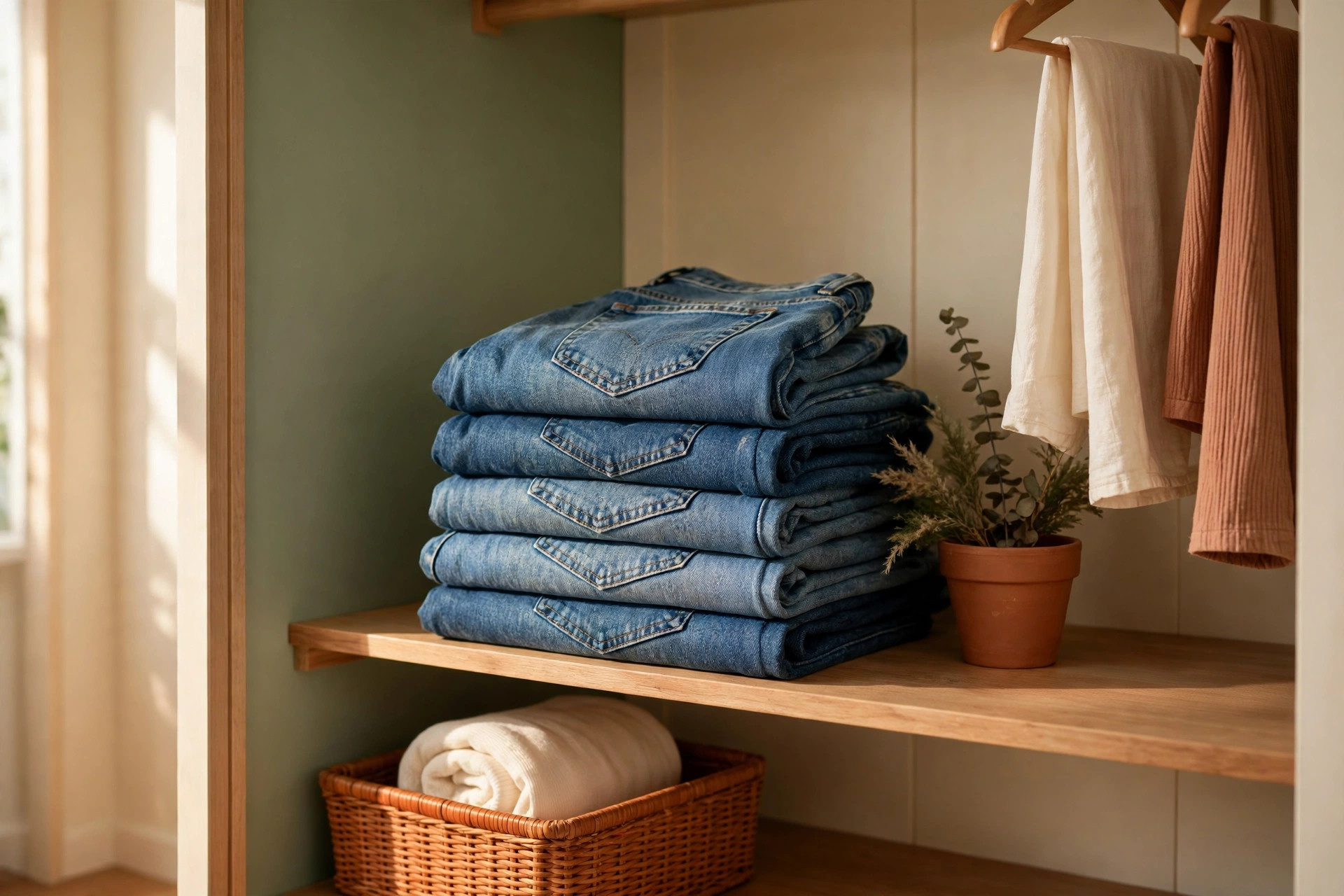
Give jeans their own shelf stack, folded uniformly with pockets facing out. Denim is heavy and topples other stacks, so isolating it keeps neighboring shelves tidy.
27. Label Every Shelf Edge
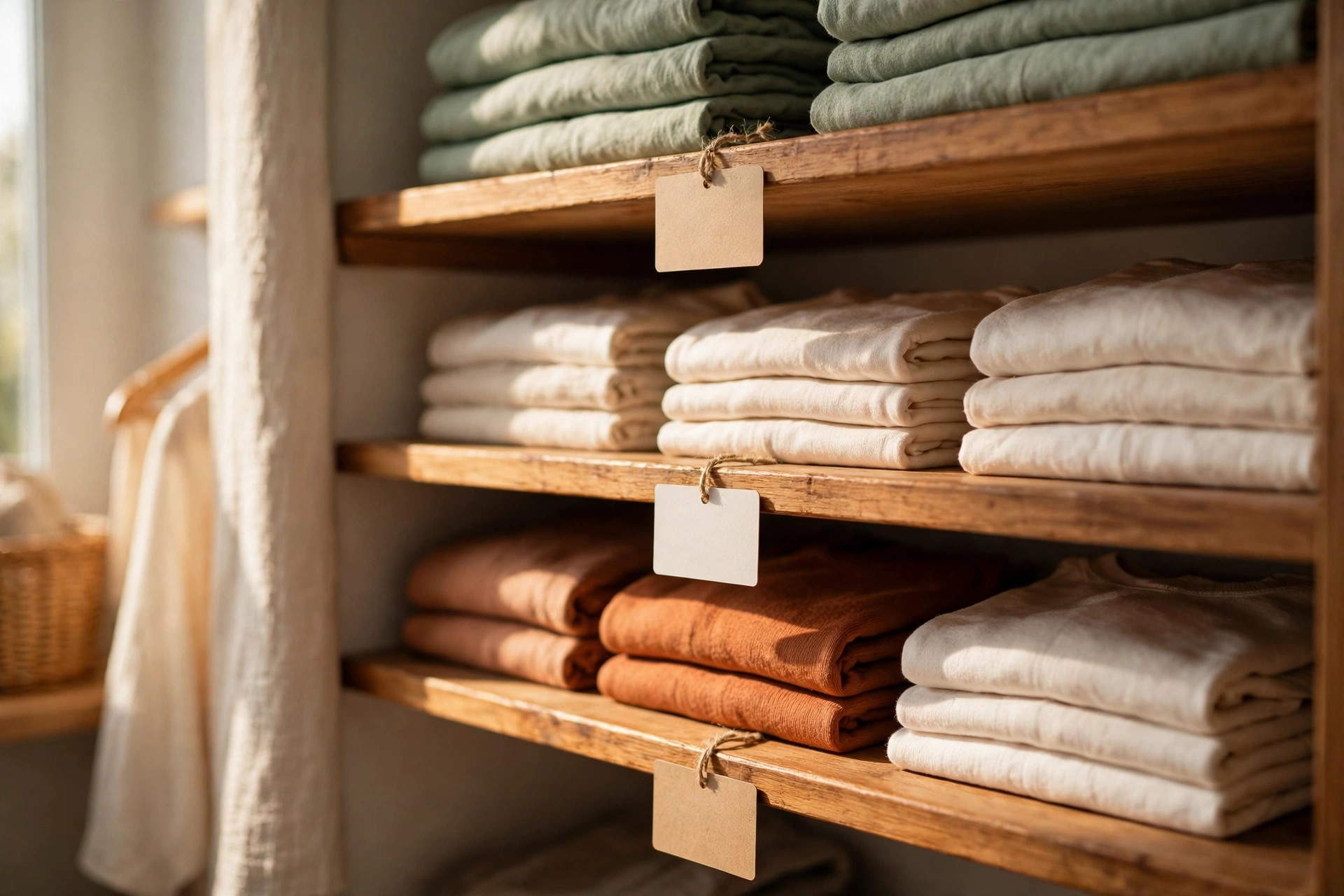
Add simple labels to shelf edges naming what belongs there, such as gym, pajamas, or work shirts. Labels make putting laundry away faster and help anyone sharing the closet keep the system.
28. Keep Everyday Items at Eye Level Only
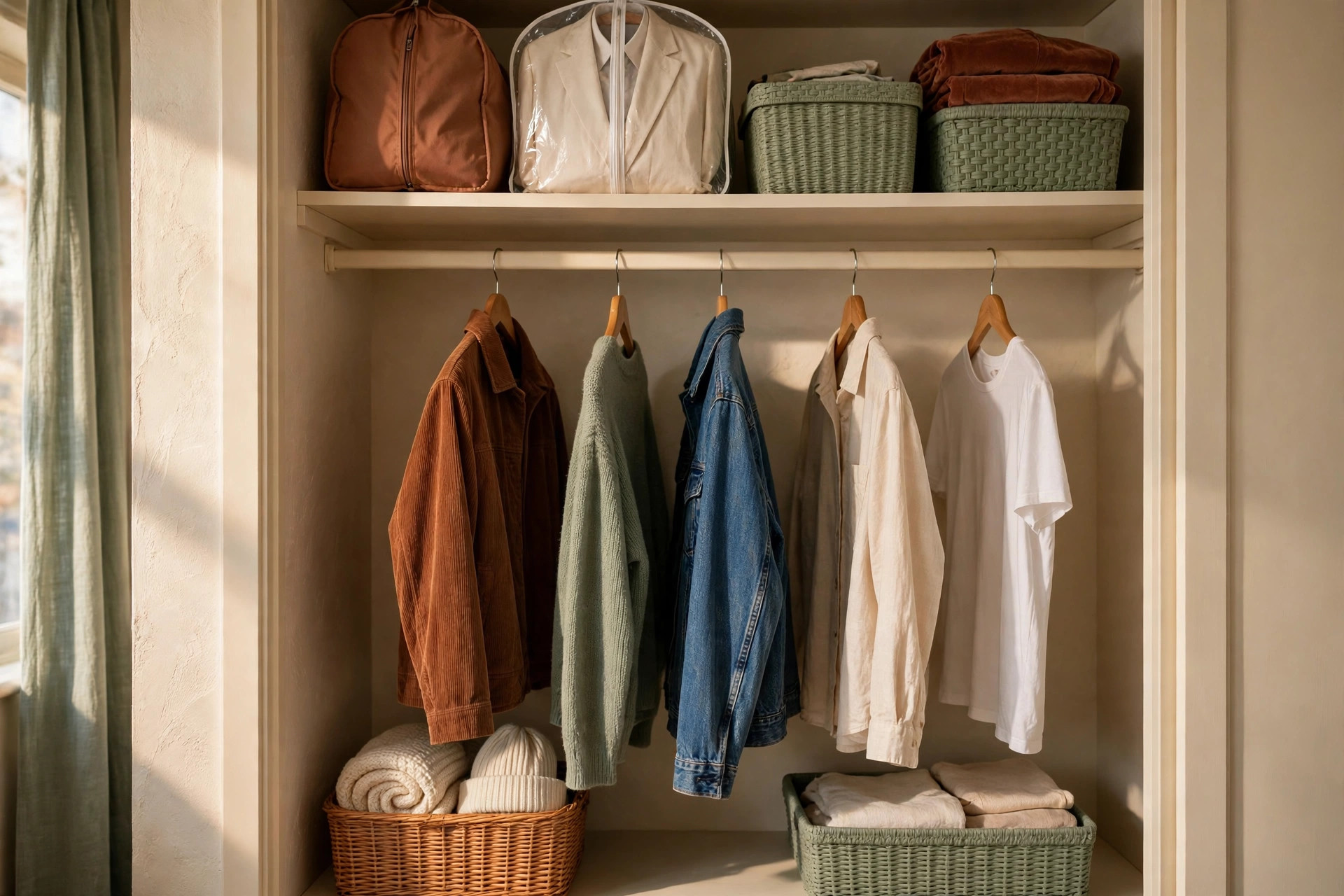
Reserve the middle rail and shelf for clothes you wear weekly, and move occasion wear to the far end or top. A one-door closet works when the 80 percent you use most is easiest to reach.
29. Use Cascading Hangers for Short Items
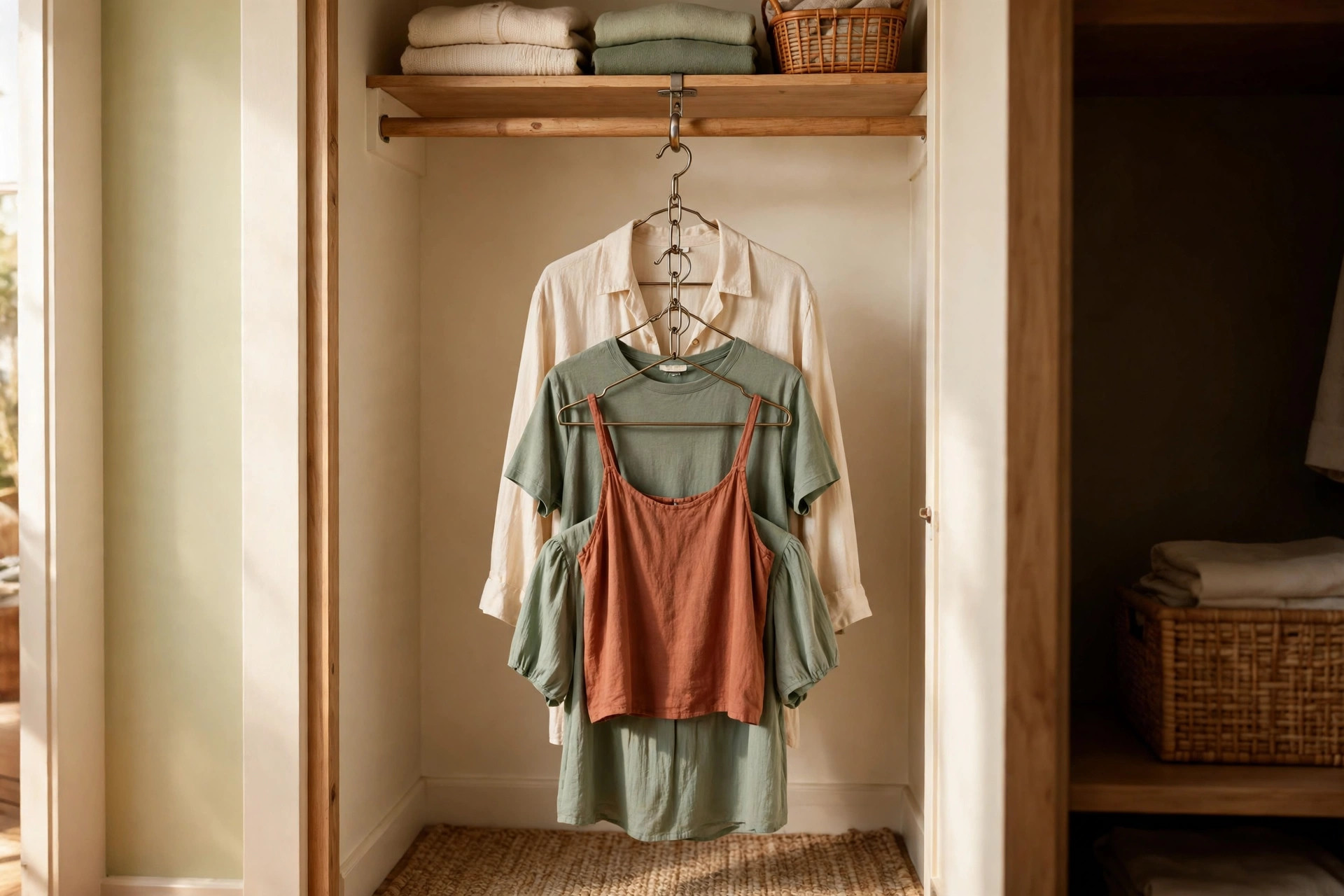
Clip cascading or connecting hangers so two or three short items hang vertically from one rail hook. This works well for camisoles, kids clothes, and workout tops in a narrow wardrobe.
30. Do a Ten-Minute Monthly Reset
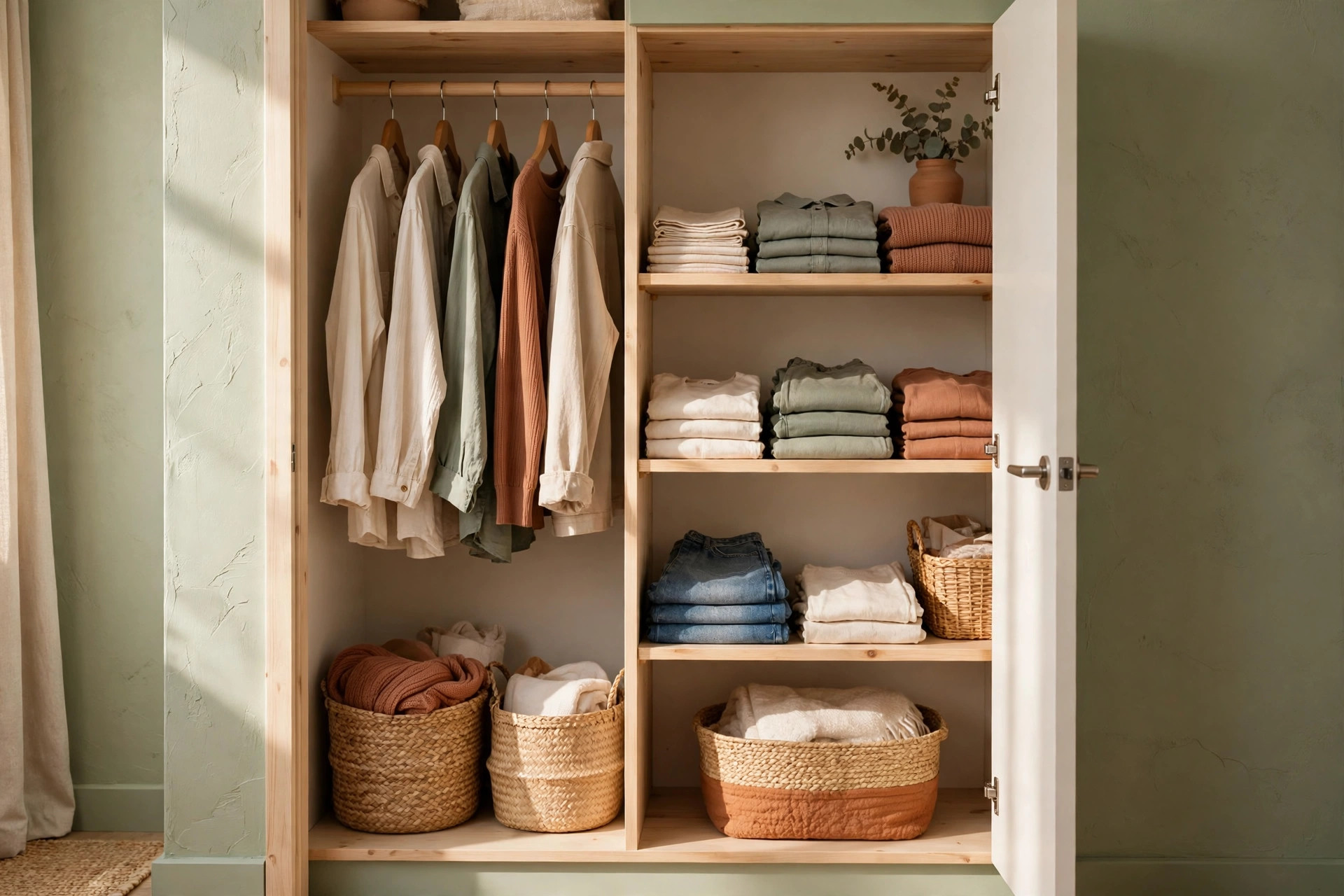
Once a month, set a timer, refold fallen stacks, return stray items, and empty the donation bag if it is full. Small regular resets prevent the full closet meltdown that makes a tiny wardrobe feel unusable.
Frequently Asked Questions
How can I double the space in a one-door closet?
Add a second rail below the first, switch to slim hangers, and put a small drawer unit on the floor under short clothes. Those three changes use vertical space that most single-door wardrobes waste and can close to double usable storage.
What should go on the top shelf of a small closet?
Store labeled bins with out-of-season clothes, spare bedding in vacuum bags, and off-season shoes in clear boxes. Keep everyday items at eye level instead, so the top shelf holds only things you reach for a few times a year.
Are these closet ideas renter-friendly?
Yes, most need no screws at all: tension rods, over-door organizers, adhesive hooks, hanging shelves, and battery light strips. Always check weight limits on adhesive hooks and remove them slowly at move-out to protect the paint and deposit.
Keep Exploring
More small-space ideas to try next: 16 No-Closet Wardrobe Ideas for Studio Apartments and 21 Tiny Bedroom Storage Ideas for One-Person Apartments.
2 Comments
Comments are closed.