17 Small-Space Storage Mistakes That Make It Feel Smaller
Most small spaces do not feel cramped because of their square footage — they feel cramped because of a few common storage choices working against them. Oversized bins, blocked light, wasted vertical space, and furniture pushed into walkways all shrink a room visually and practically. This list walks through the mistakes that come up again and again in rentals and small apartments, and what to do instead for each one. None of the fixes require drilling, painting, or a big budget. Start with the two or three that sound most familiar, and a room usually feels larger the same day.
1. Using Only Floor Space and Ignoring Walls
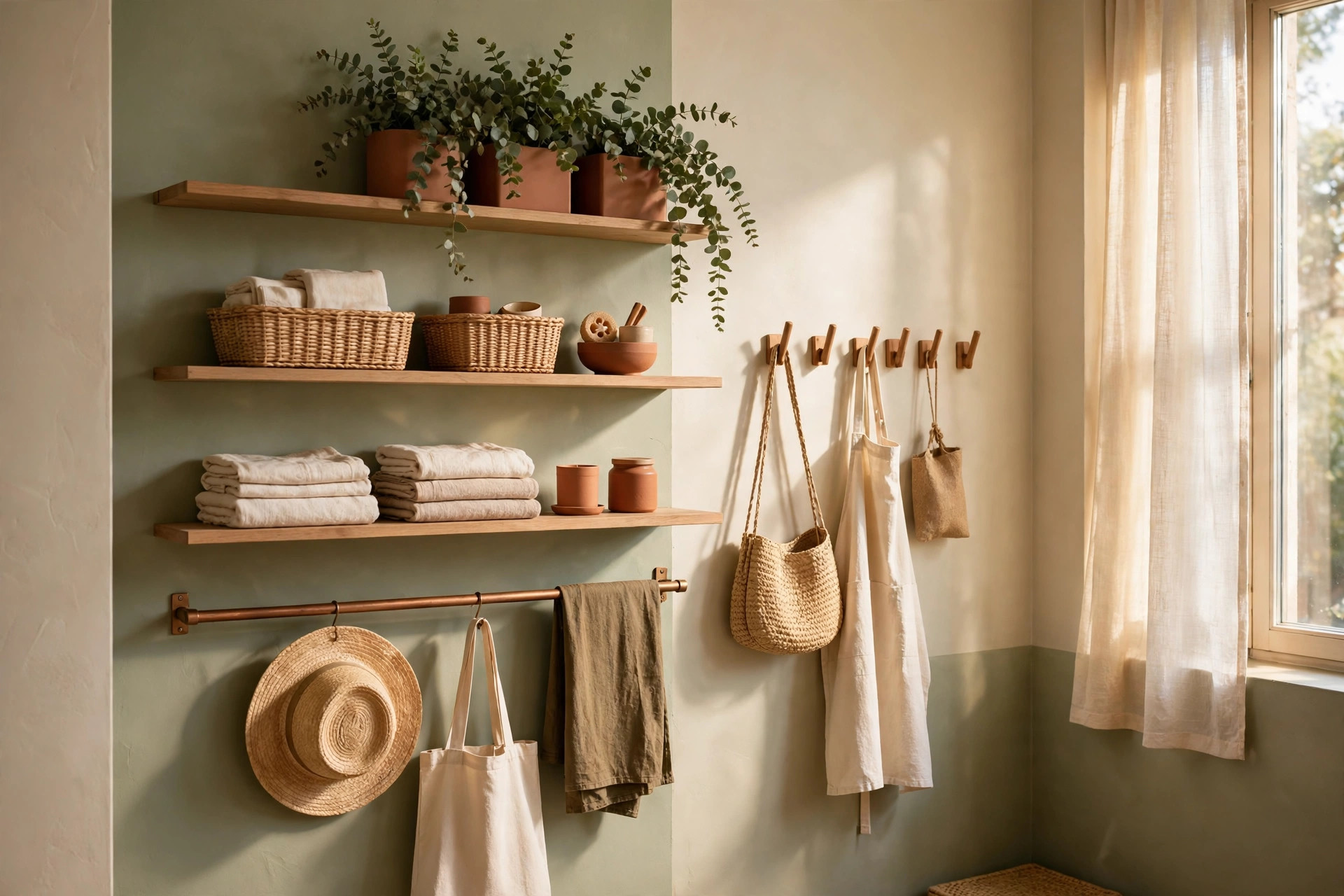
Storing everything at floor and counter level makes a room feel crowded at eye level and wastes the emptiest area you have. Walls, doors, and the sides of cabinets can hold hooks, rails, and slim shelves. Move towels, bags, and utensils up, and the floor instantly reads as more open.
2. Buying Storage Before Decluttering
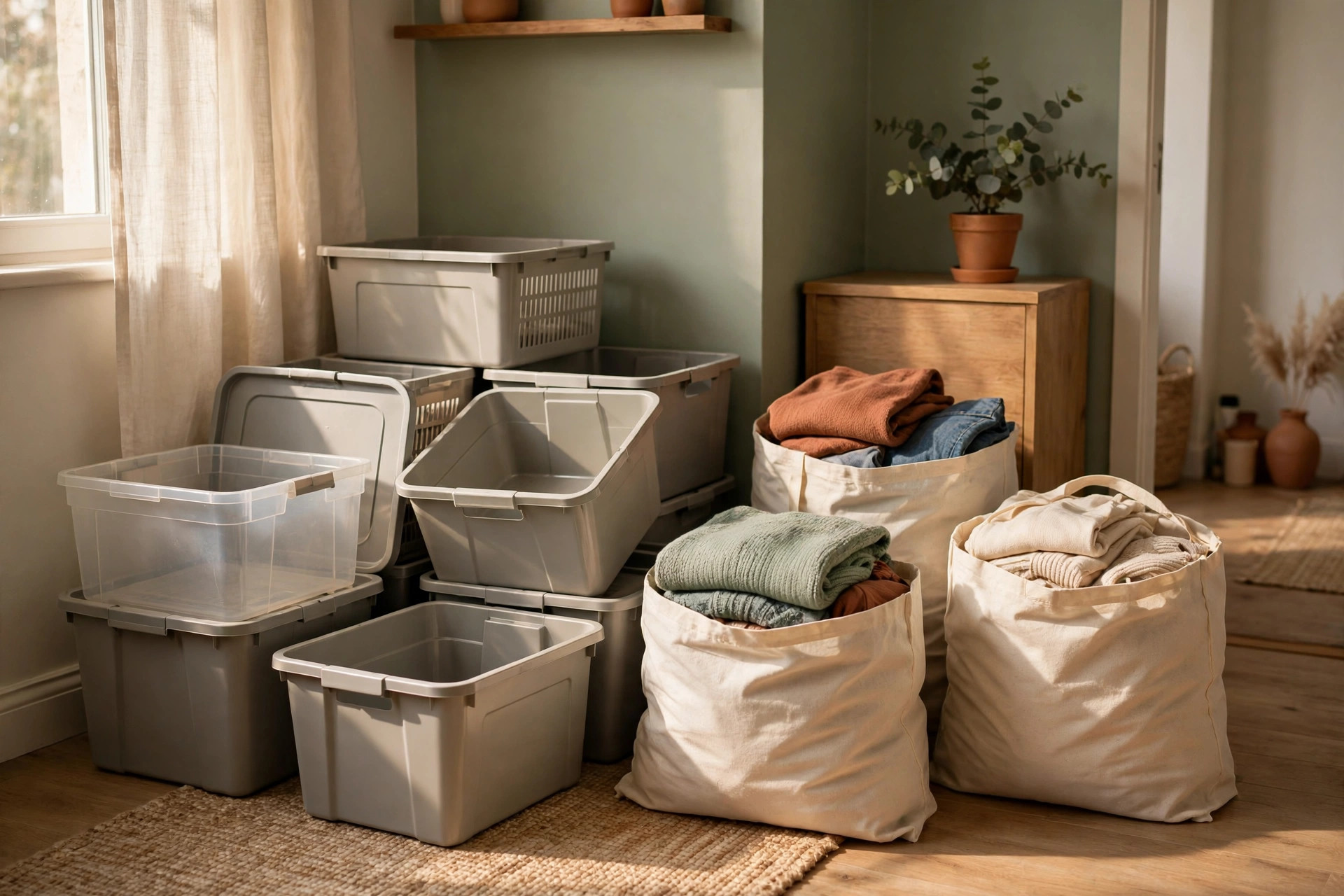
Bins bought for clutter you do not need just organize the problem instead of solving it, and the containers themselves take up space. Sort and donate first, then measure what remains. You will almost always need fewer, smaller containers than you expected.
3. Choosing Bulky, Oversized Furniture Storage
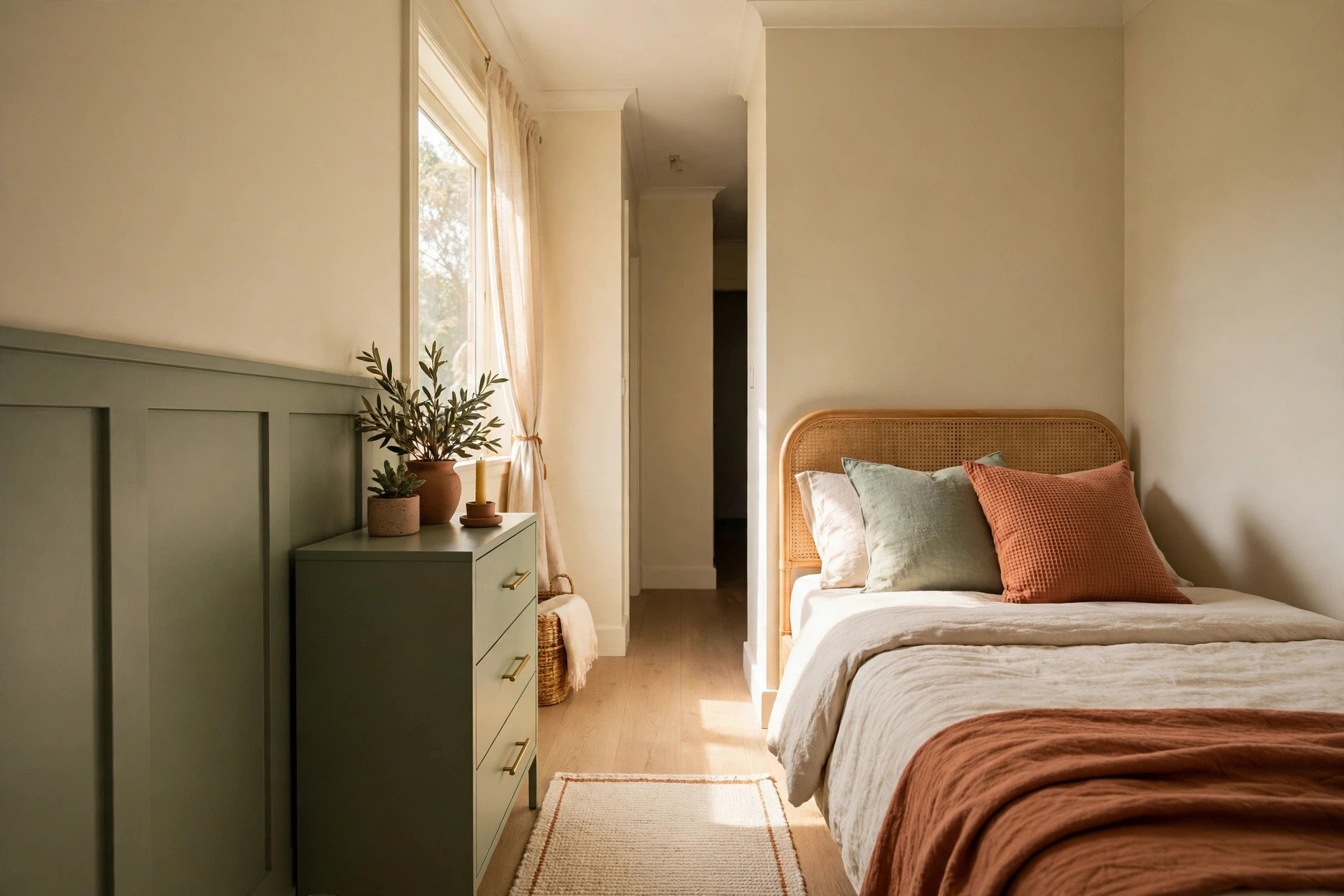
A huge armoire or deep storage bench can swallow the walkway in a small bedroom or studio, making everything feel tight. Deep pieces also hide items so well they are forgotten. Choose slimmer, shallower storage that fits the wall without narrowing the path through the room.
4. Blocking Windows With Tall Storage
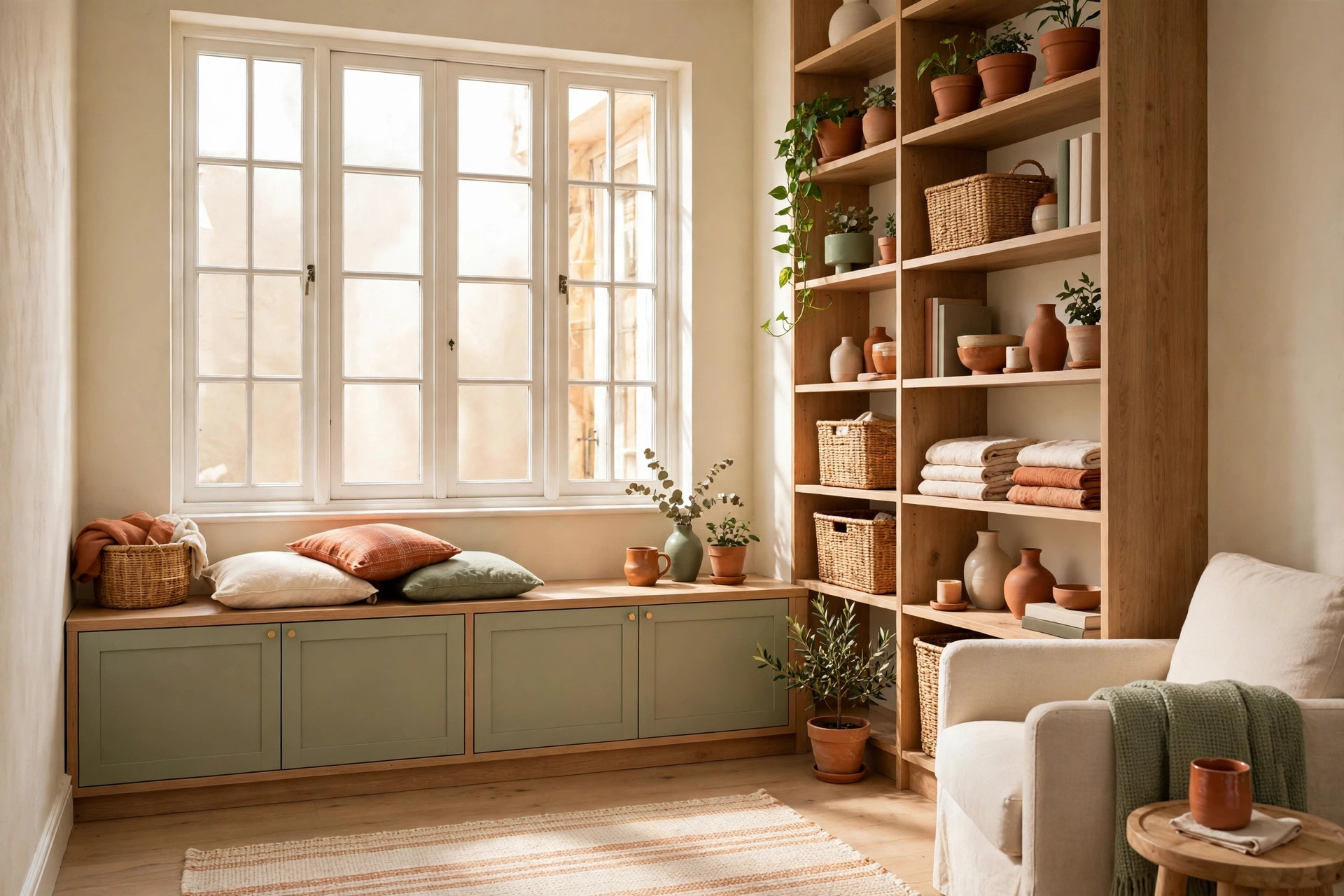
Tall bookcases or stacked bins in front of a window cut natural light, and darker rooms always feel smaller. They also block airflow and make the window hard to open. Keep storage under the sill line near windows, and place taller pieces on interior walls instead.
5. Using Opaque Bins With No Labels
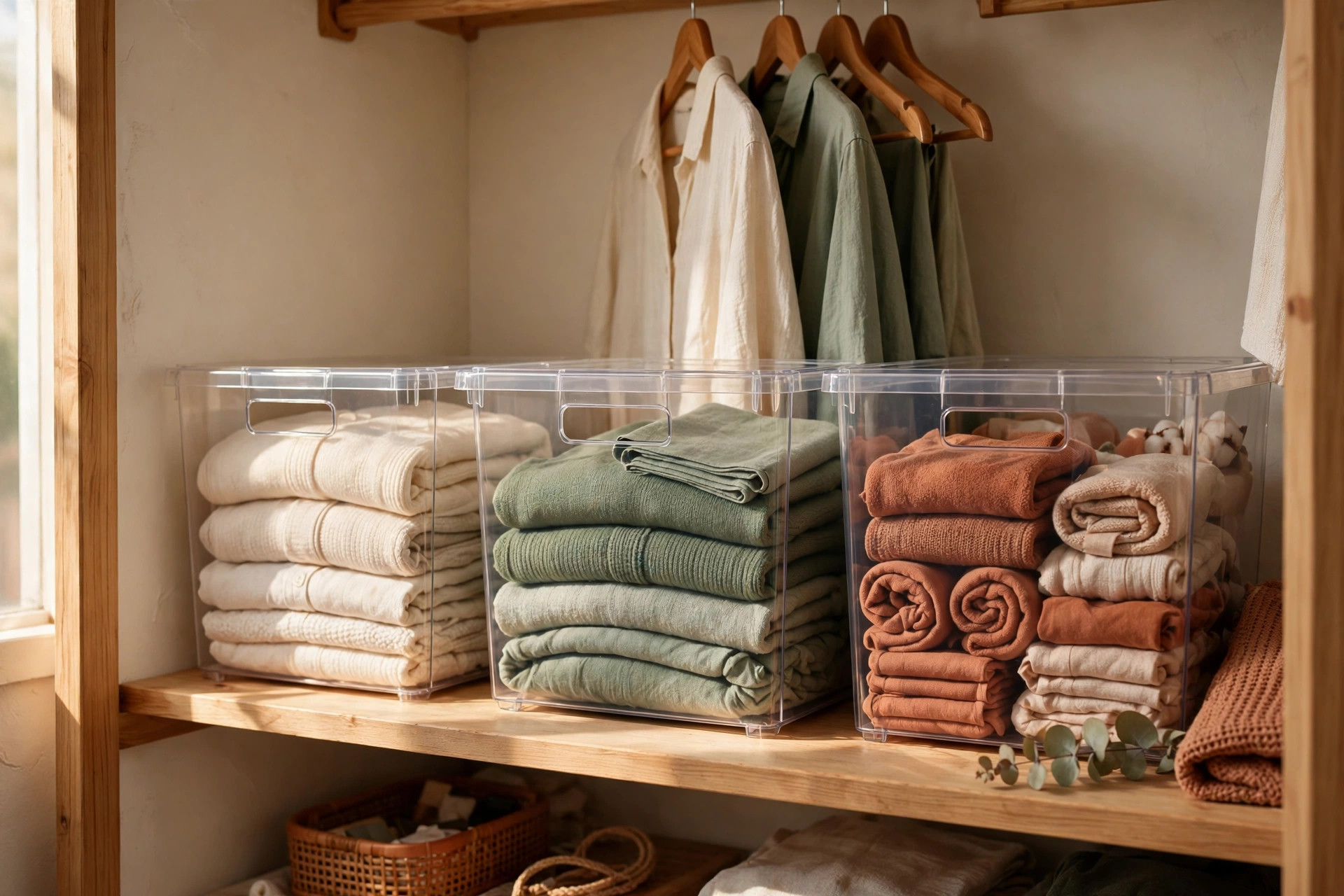
When you cannot see inside a bin, you buy duplicates and dig through everything to find one item. A closet full of mystery boxes feels chaotic even when it is technically stored. Use clear bins, open-front bins, or clear labels so contents are obvious at a glance.
6. Lining Every Wall With Storage
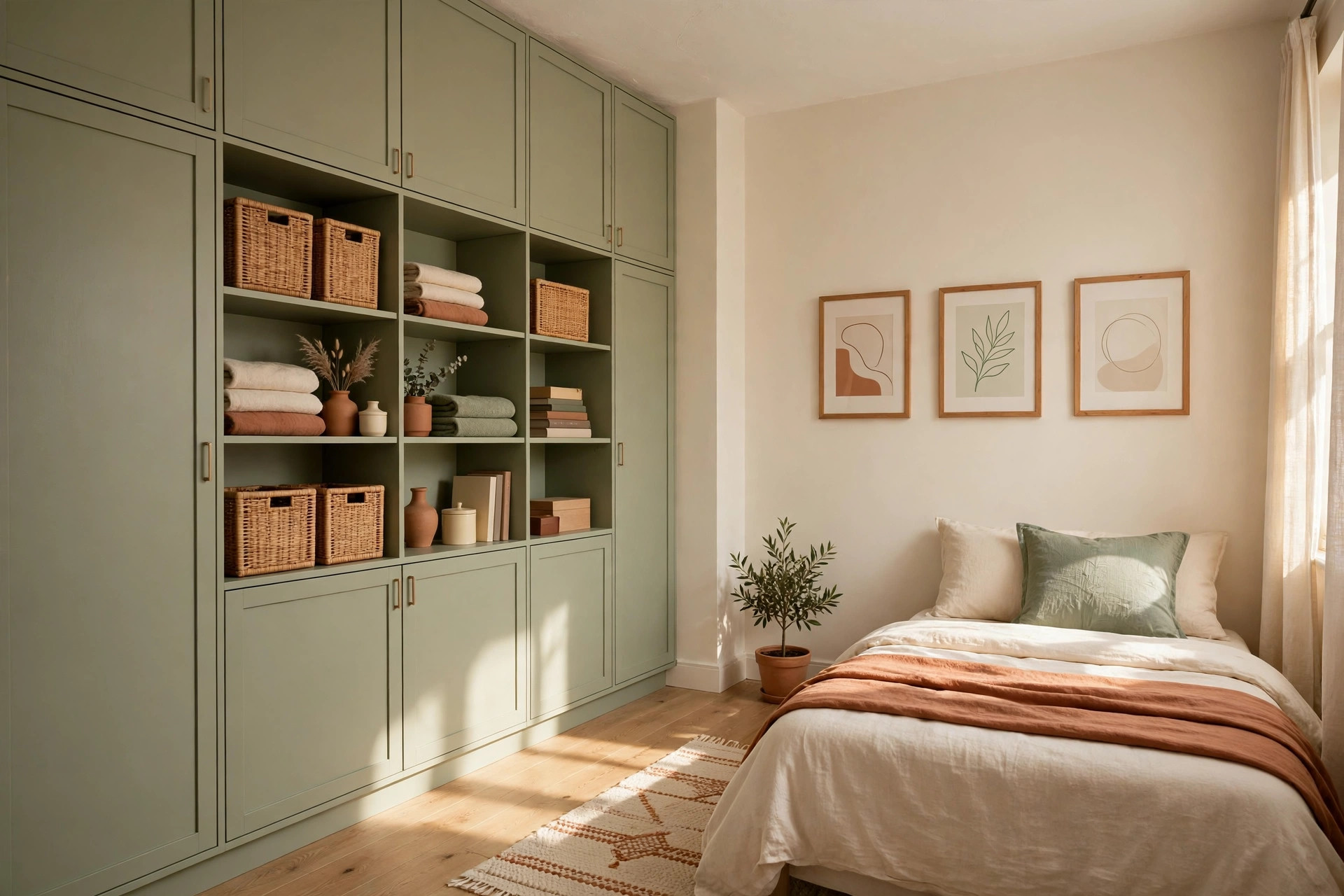
Filling every wall edge-to-edge leaves no visual breathing room, so the eye reads the room as a storage unit. It also makes furniture placement rigid and awkward. Concentrate storage on one or two walls and leave at least one wall mostly clear.
7. Keeping Counters as Permanent Storage
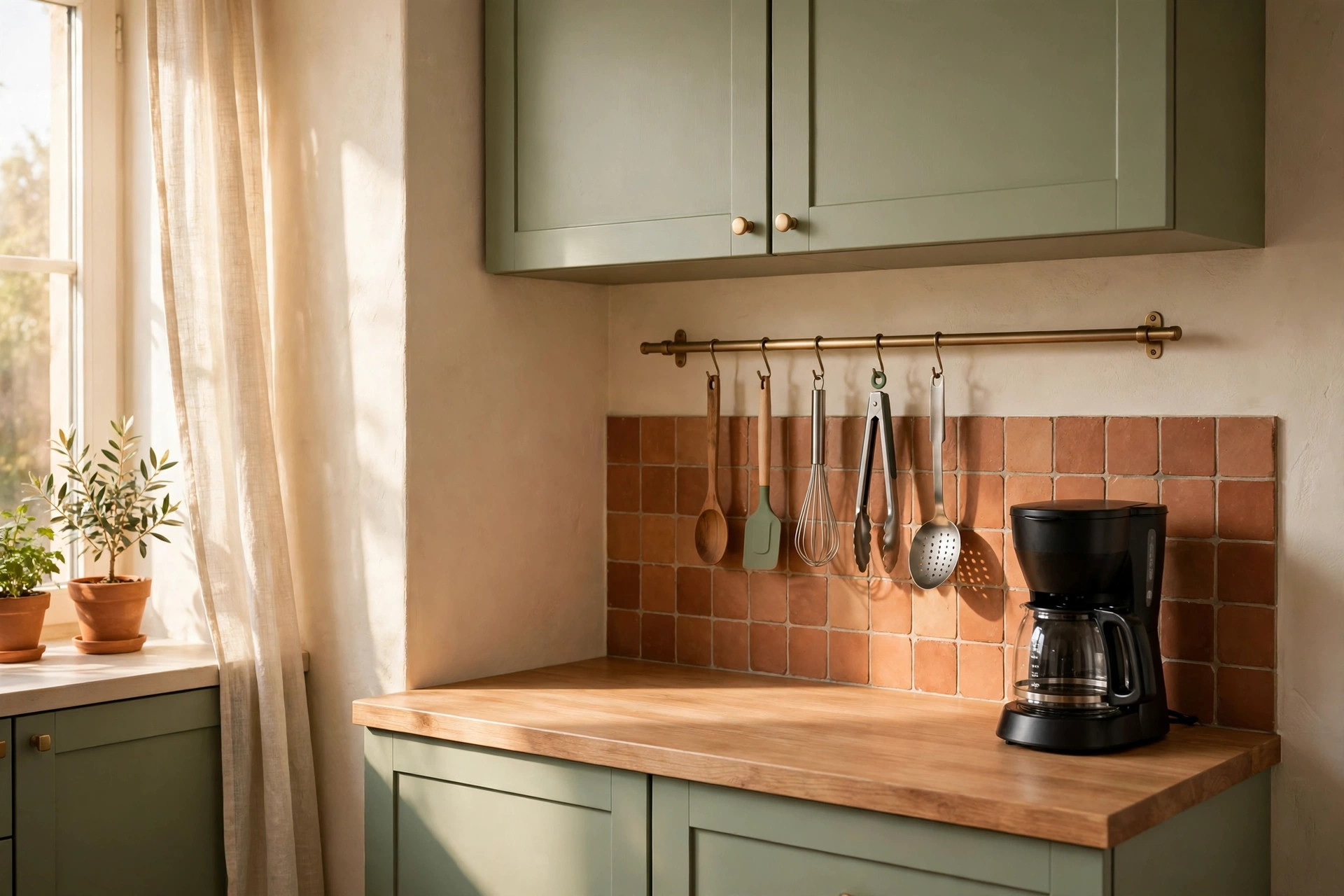
Appliances, bottles, and papers living permanently on counters leave no open surface, which is what makes a kitchen or bathroom feel tiny. Daily prep and getting ready then happen in a few crowded inches. Store most items in cabinets or on wall storage, and keep only true daily essentials out.
8. Ignoring the Space Under the Bed
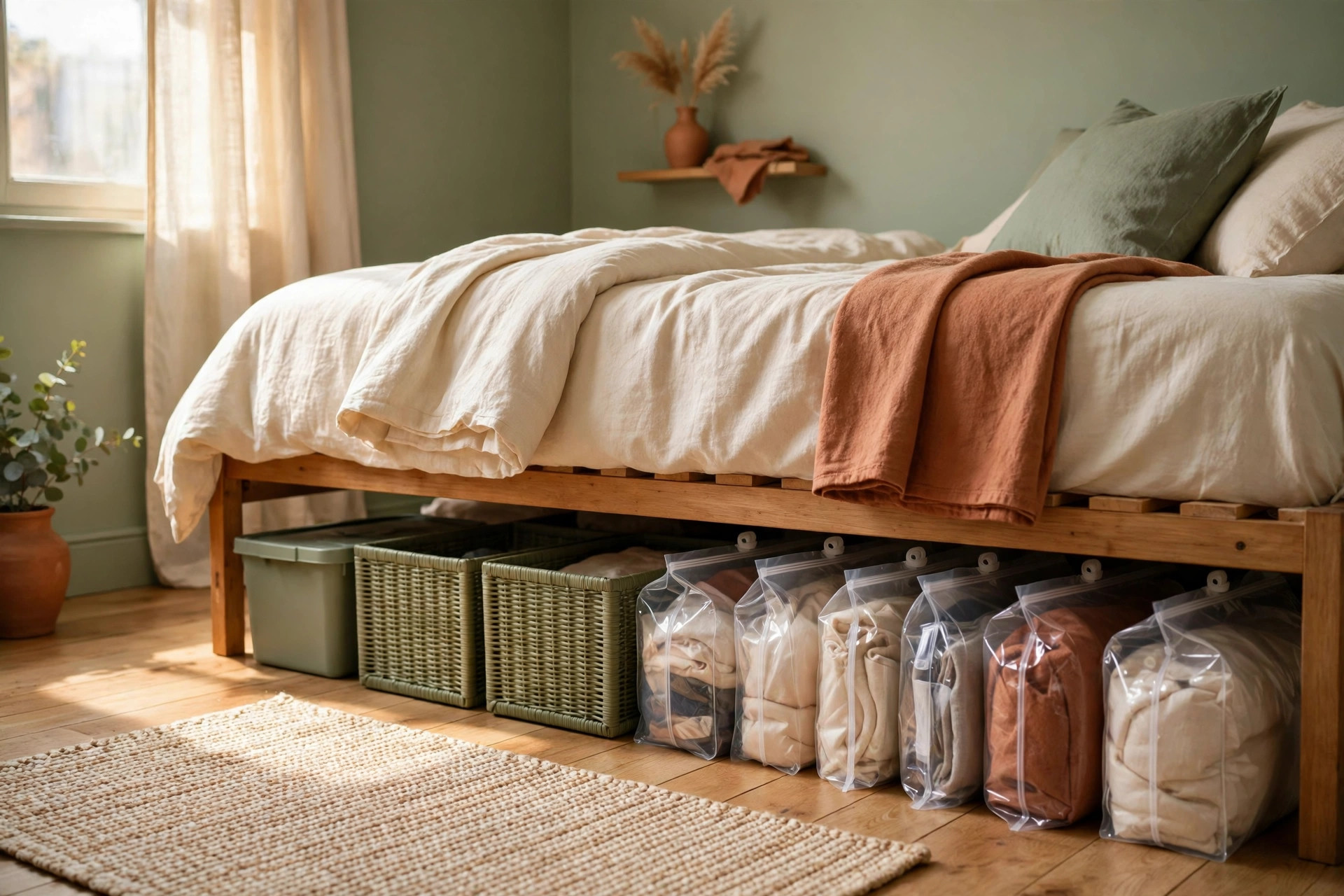
Leaving under-bed space empty wastes one of the largest storage areas in a small home, forcing bulky items into closets and corners. That overflow is what makes visible areas feel stuffed. Use low bins or vacuum bags there for off-season clothes, extra bedding, and shoes.
9. Using One Big Bin Instead of Smaller Zones
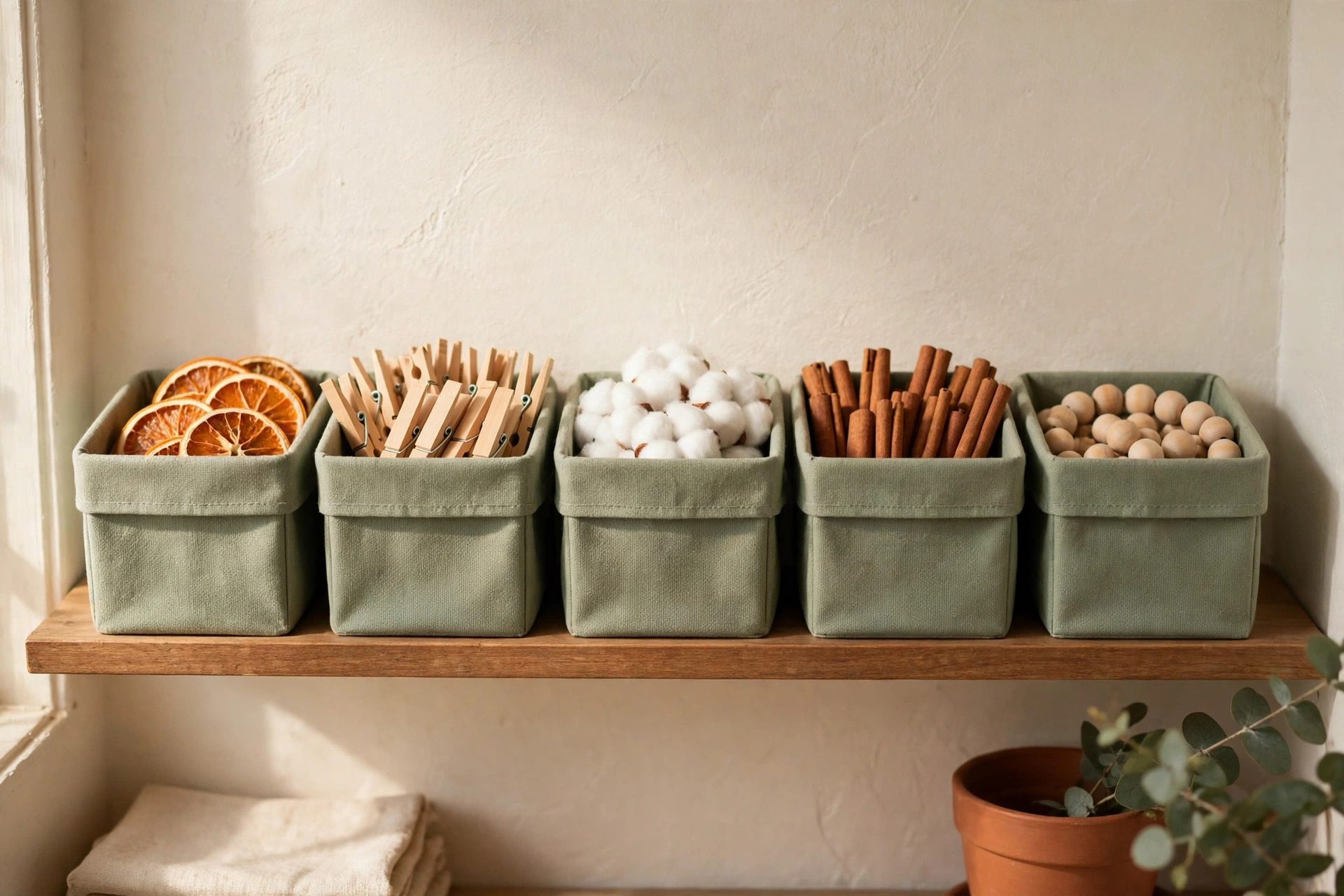
One giant bin for everything becomes a digging pit, and items at the bottom effectively disappear. It also encourages tossing things in without a system. Divide storage into smaller, category-based bins or dividers so each type of item has its own place.
10. Pushing All Furniture Against the Walls
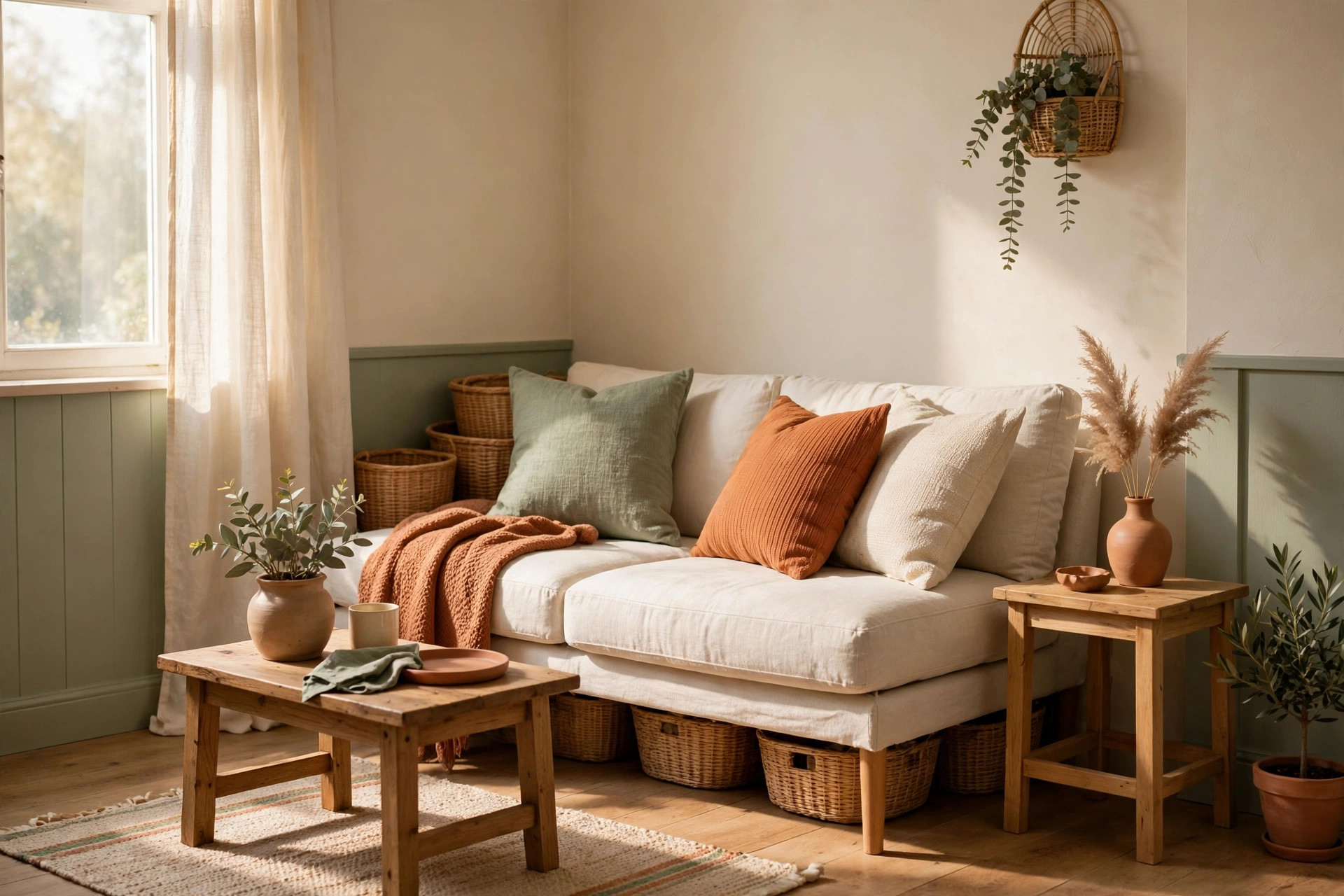
It seems logical, but a ring of furniture around the edges can leave a dead, empty center and awkward, narrow gaps. It also wastes the space behind sofas and chairs. Pulling a piece slightly forward can create hidden storage behind it and a more intentional layout.
11. Storing Items Far From Where You Use Them
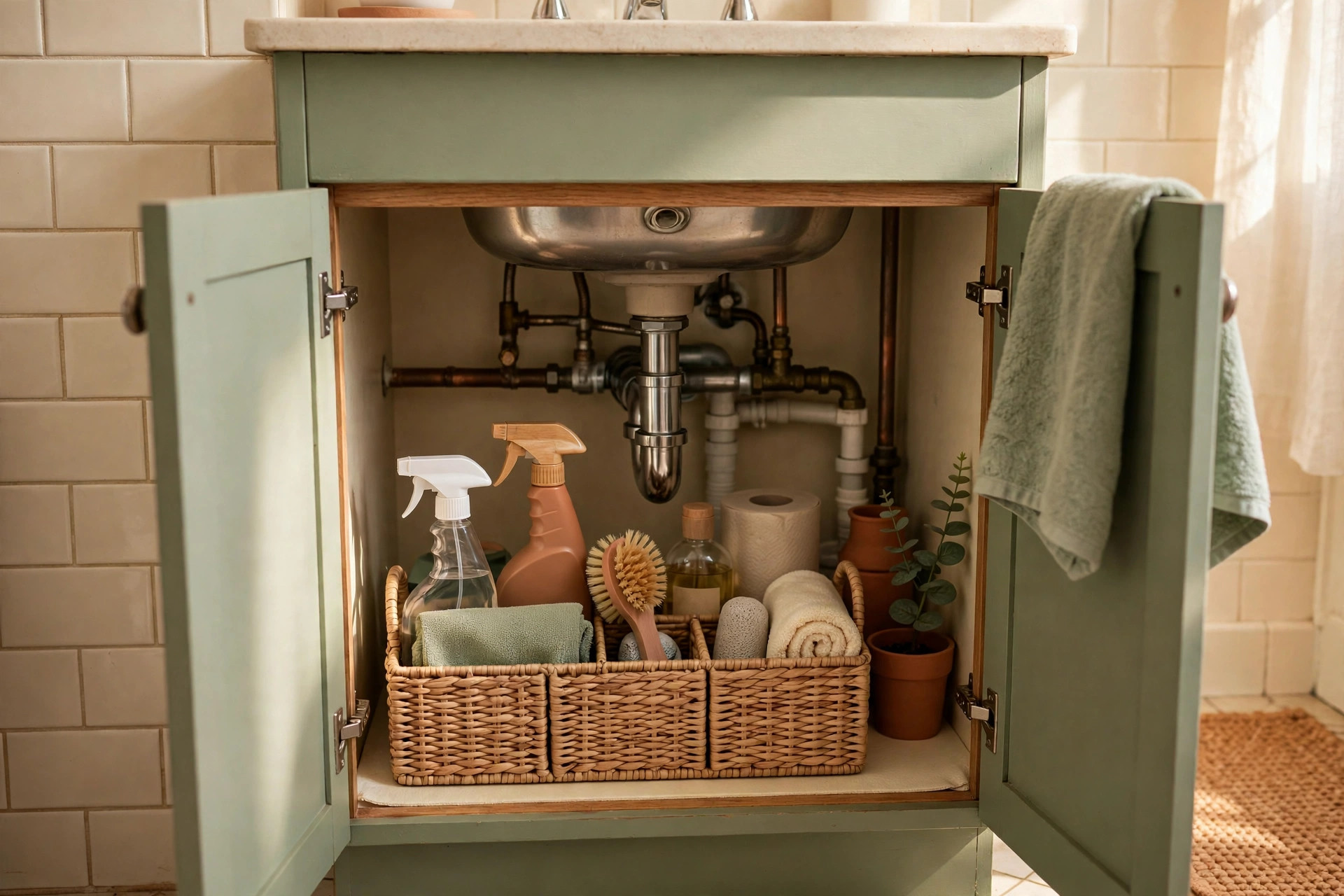
Keeping cleaning supplies, chargers, or toiletries across the apartment guarantees they get left out where they land. Scattered drop spots make every room look messier than it is. Create a small storage point in the room where each category is actually used.
12. Hanging Curtains and Shelves Too Low
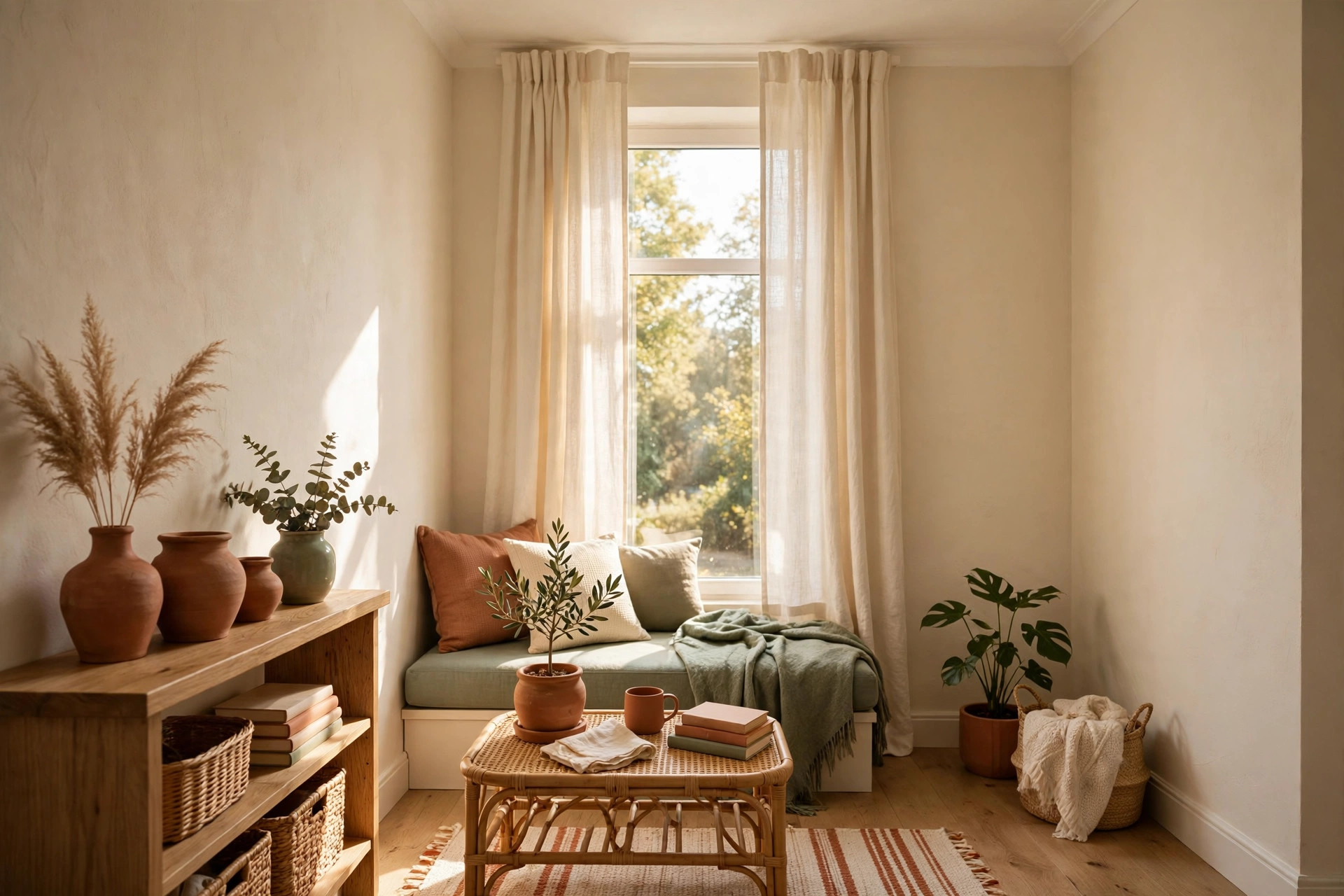
Low-mounted curtains and shelves chop up wall height and make ceilings feel lower than they are. The room reads shorter and more boxed in. Mount curtains closer to the ceiling and place shelves higher to draw the eye up and emphasize vertical space.
13. Keeping Broken or Unused Storage Pieces
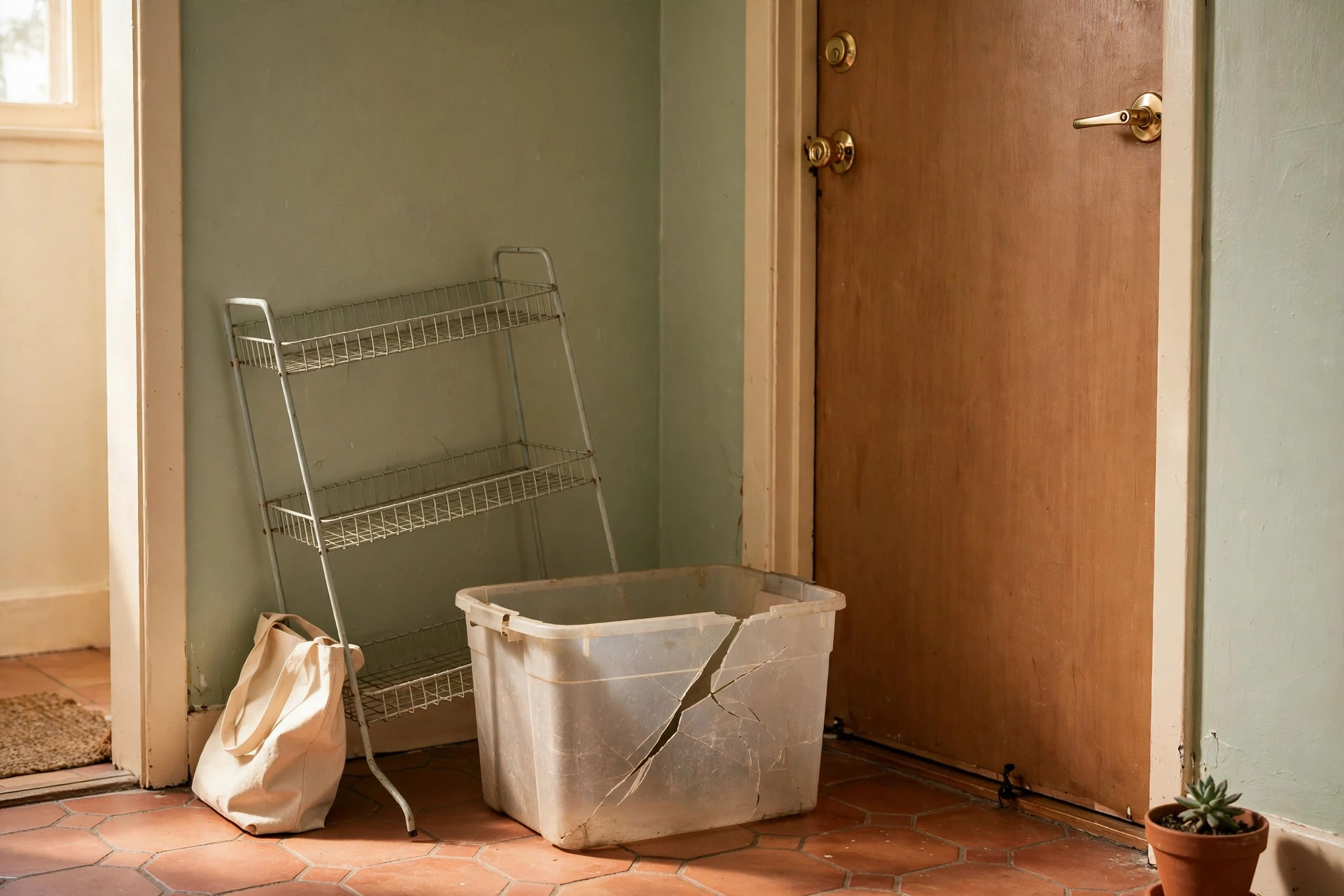
A wobbly rack, cracked bin, or organizer that never quite fit still takes up prime space while doing a poor job. Holding onto it blocks a better solution from taking its place. Remove failed storage promptly, then replace it only if the need is still real.
14. Overfilling Every Shelf and Bin to the Top
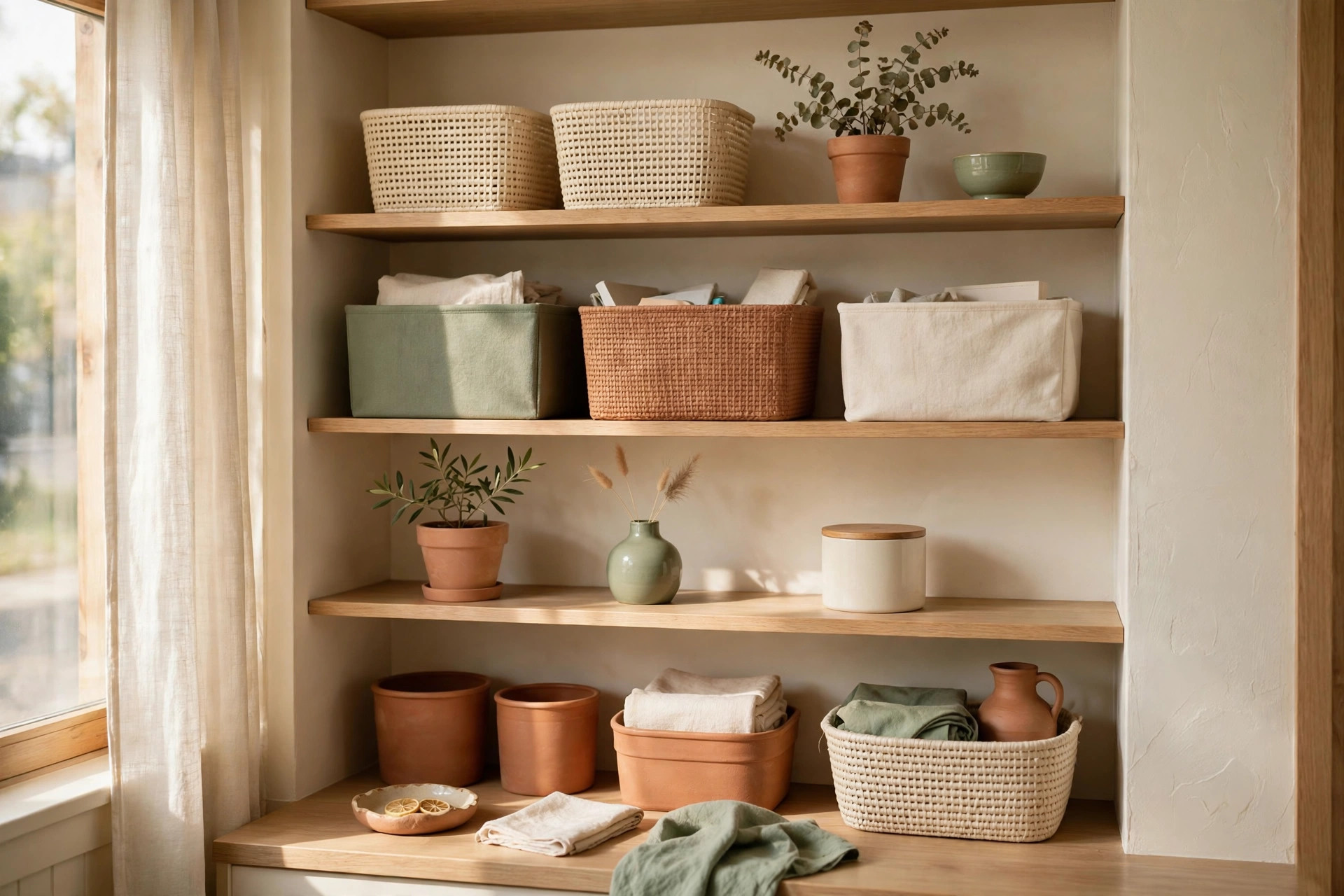
Packed shelves with no gaps look heavy and make it hard to take anything out without disturbing everything else. The visual density alone makes a room feel smaller. Leave a little empty space in each bin and on each shelf — it signals order and makes access easier.
15. Using Dark, Heavy Storage Furniture in a Tiny Room
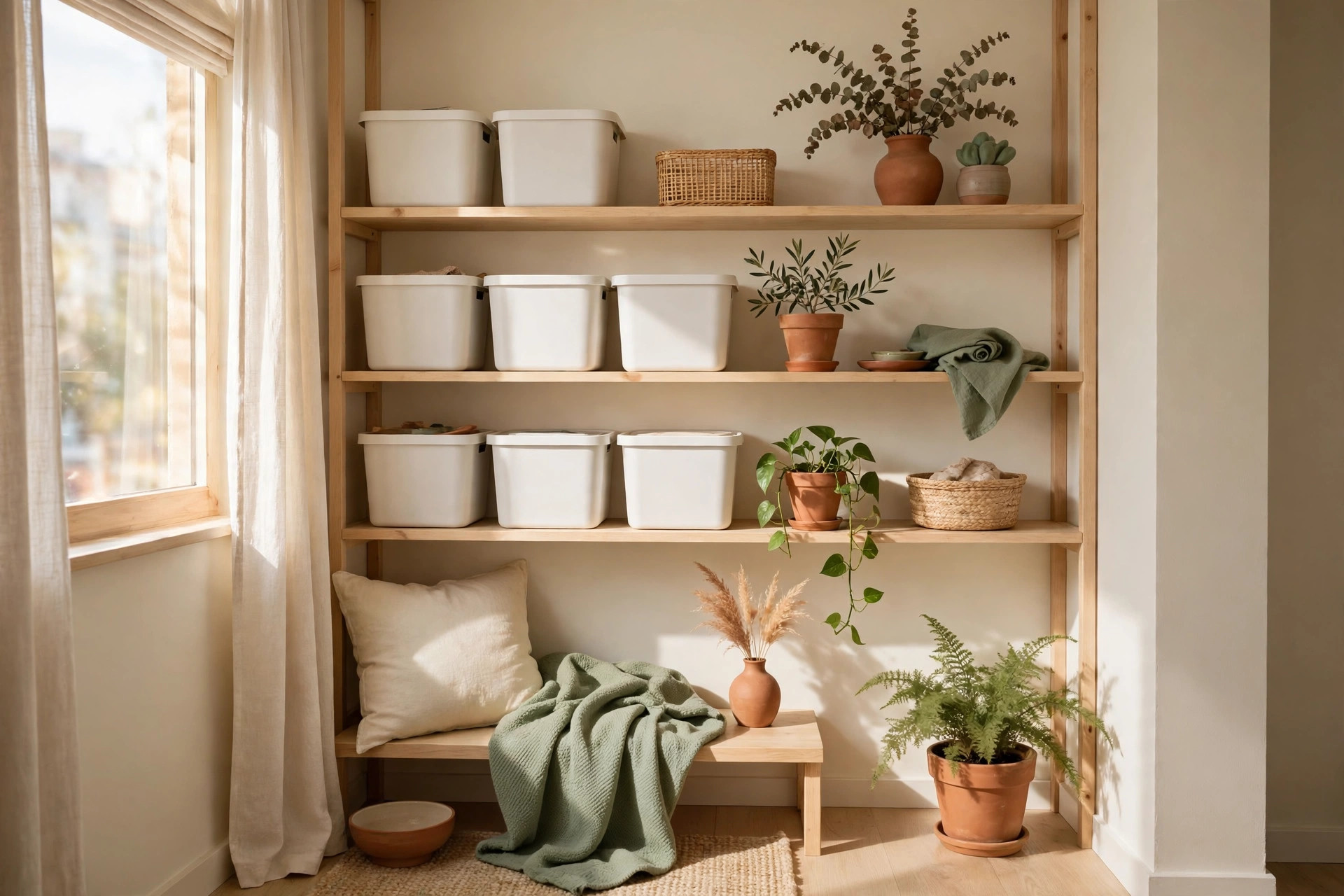
Dark, bulky storage pieces absorb light and dominate a small room, especially in rentals with limited windows. Several large dark pieces together can make walls feel like they are closing in. Choose lighter finishes or open shelving for at least some storage to keep the room feeling airy.
16. Forgetting the Backs of Doors and Cabinets
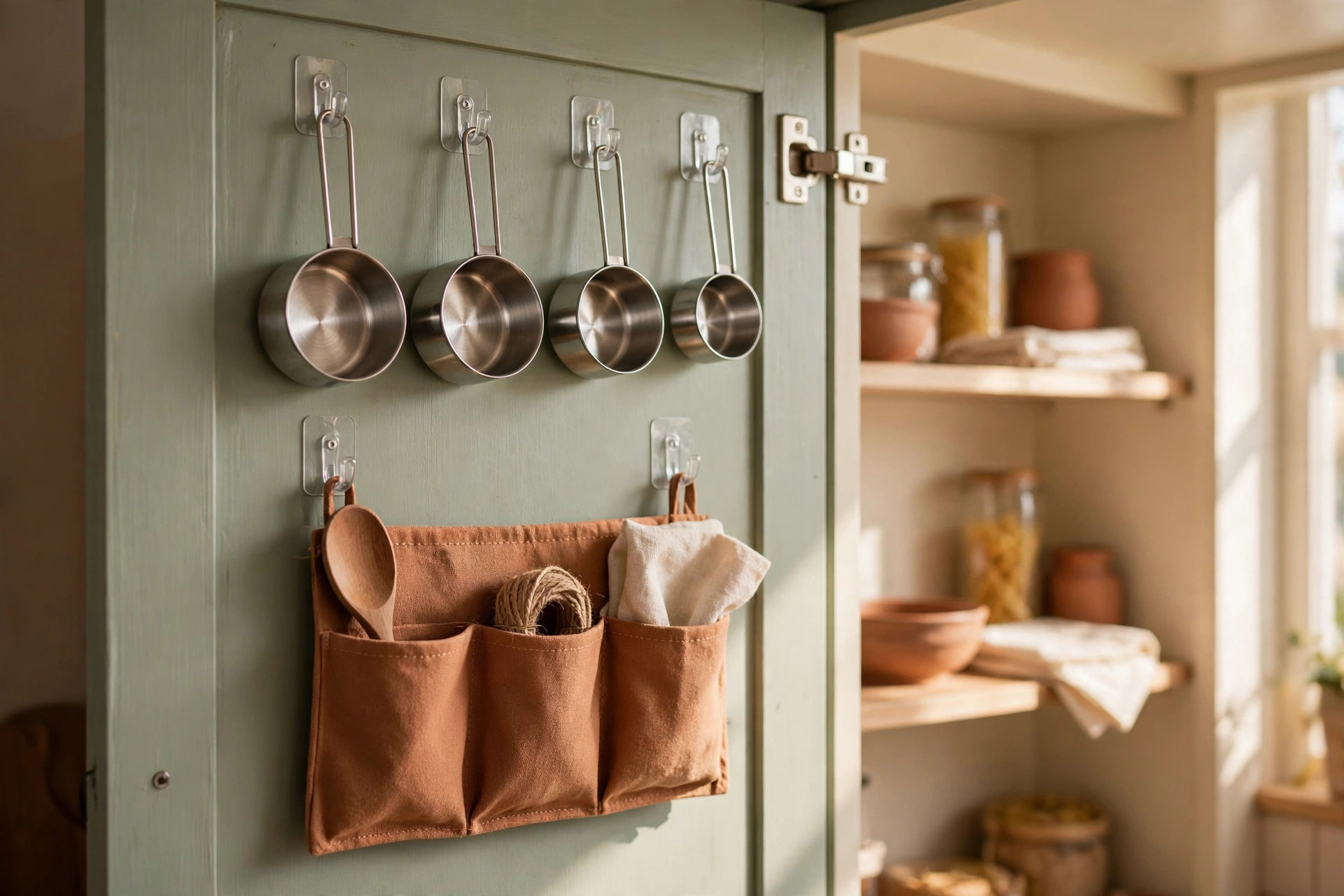
Door backs are prime storage real estate, yet they often sit empty while counters overflow. The same goes for the inside of cabinet doors. Add over-door racks or adhesive hooks there for towels, lids, wraps, and cleaning supplies.
17. Having No Landing Spot by the Front Door
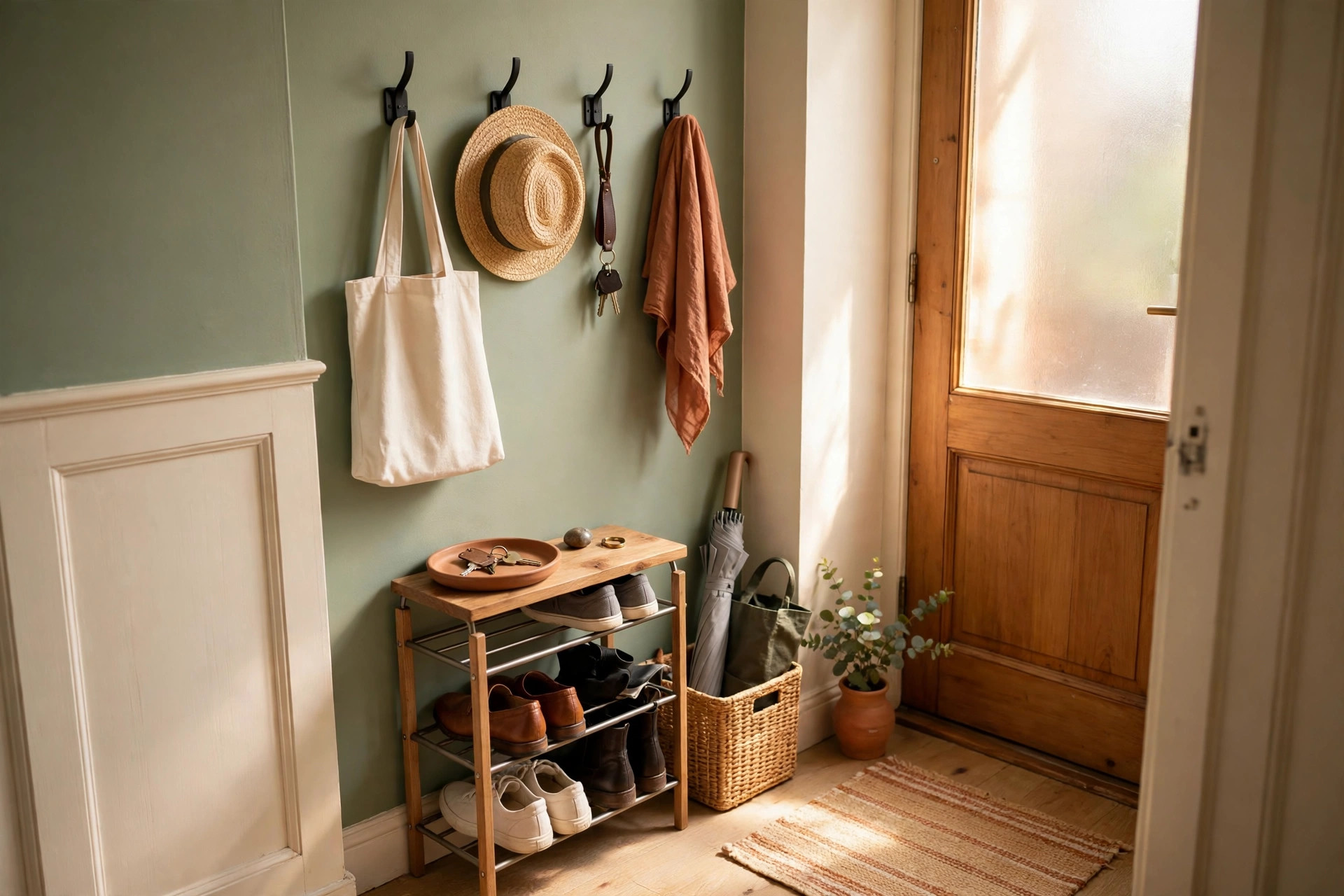
Without a defined place for keys, mail, bags, and shoes, the entry spreads clutter into the living room and kitchen. That scattered trail makes the whole home feel disorganized from the moment you walk in. Add hooks, a small tray, and a compact shoe solution right at the door.
Frequently Asked Questions
What is the fastest storage mistake to fix?
Clearing counters and creating a landing spot by the front door usually make the biggest difference in under an hour. Both remove visible clutter from the areas you see first. After that, moving storage up onto walls and door backs frees floor space quickly.
Does using vertical storage really make a room feel bigger?
Yes, because it clears the floor and counter level where clutter is most noticeable. Keeping walkways and surfaces open changes how spacious a room feels, even though the square footage is unchanged. Hooks, rails, and slim shelves are all renter-friendly ways to do it.
How full should shelves and bins be?
Leave a little breathing room in each bin and on each shelf instead of packing them completely full. Overfilled storage looks heavy and is hard to use without making a mess. If a container is overflowing, that category usually needs editing, not a bigger container.
Keep Exploring
More small-space ideas to try next: The Small-Space Reset: A Room-by-Room Declutter Checklist and 21 Hidden Storage Ideas — Furniture That Stores Without Showing It.